


Dermaplaning for Peach Fuzz in Hornchurch and What to Expect
Updated: 4d
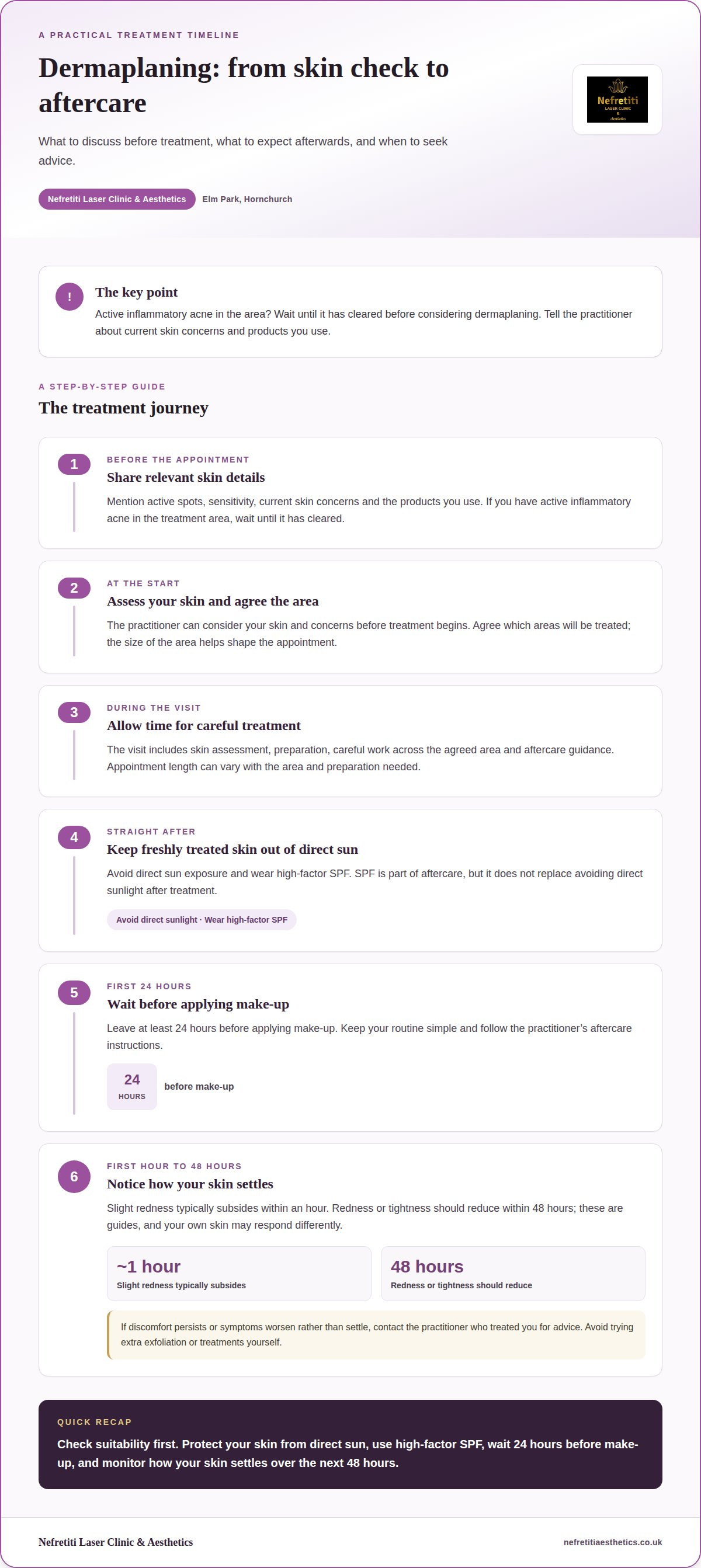
A little redness after dermaplaning is possible, but it should be temporary. With dermaplaning for peach fuzz in Hornchurch, slight redness typically subsides within an hour, while redness or tightness should reduce within 48 hours. Avoid direct sun exposure, wear high-factor SPF afterwards and wait 24 hours before applying makeup.
It’s understandable to wonder how your skin might look and feel after treatment, and whether removing fine facial hair could make it grow back darker or thicker. This guide explains dermaplaning for peach fuzz in Hornchurch, what to expect during an appointment and how removing peach fuzz may affect your skin and makeup. You’ll also find practical guidance on aftercare, possible side effects and when to schedule treatment, helping you make an informed decision.
Table of Contents
Are there any side effects?
If you have active inflammatory acne, wait until it has cleared before dermaplaning, particularly if inflamed spots are in the area to be treated. Before your appointment, describe any current skin concerns and the products you use so the practitioner can assess the planned treatment area.
Temporary redness or tightness can follow treatment. Slight redness typically subsides within an hour, while redness or tightness should reduce within 48 hours. These timeframes give you a practical guide for planning afterwards, but they don’t replace attention to how your own skin feels.
Protect freshly treated skin from direct sunlight. Avoid direct sun exposure after dermaplaning and wear high-factor SPF. If you’re going outside during the day, apply SPF before you leave and make sun protection part of your routine after treatment.
Keep aftercare simple. Follow the practitioner’s instructions rather than adding extra steps that could make it harder to tell what your skin tolerates. If you have redness or tightness, take it into account when planning activities and applying products.
Avoid direct sun exposure after treatment.
Wear high-factor SPF as part of your aftercare.
Notice whether redness or tightness is settling within 48 hours.
Wait until active inflammatory acne has cleared before dermaplaning.
The 48-hour timeframe is a guide for expected redness or tightness to reduce. If your skin feels uncomfortable or symptoms are worsening rather than settling, contact the practitioner who treated you for advice. Describe what you’re experiencing and when it began, rather than trying additional exfoliation or treatments yourself.
Plan treatment around your routine, too. Before an outdoor event, such as a long walk or garden gathering, consider whether you can avoid direct sun exposure afterwards. High-factor SPF is important, but it doesn’t replace the advice to avoid direct sunlight after dermaplaning.
Before treatment, share relevant details about your skin. Clearly mention active inflammatory acne and point out any affected areas. This helps establish whether dermaplaning is appropriate at that time, rather than treating over inflamed spots or overlooking the reason to wait.
Appointment duration
The visit involves more than the careful strokes used to remove surface cells and fine facial hair. Its length also depends on the area being treated, the skin assessment and the steps before and after the procedure. A focused facial appointment may follow a different sequence from one that includes additional preparation or discussion.
At the start, the practitioner can ask about your skin and current concerns. Mention active spots, sensitivity or recent changes before treatment begins. This conversation helps establish whether dermaplaning is suitable that day and which areas to treat. Sharing clear information early allows your skin to be considered before the procedure starts.
Preparing the skin is another part of the visit. The practitioner can explain how the treatment area will be readied before beginning. The area matters: treating the full face involves more surface than focusing on a smaller section. Careful, precise work is more important than rushing.
Dermaplaning involves methodical work across the agreed area. The practitioner adjusts their approach to your facial contours, the coverage you want and your skin’s condition. For example, the areas around the nose and chin have different shapes and need careful attention.
Allow time for the end of the visit, too. The practitioner can explain immediate aftercare and answer questions about your routine. If you have plans afterwards, avoid scheduling your day so tightly that a conversation or careful finish becomes inconvenient. Leave time for both treatment and practical guidance.
Share relevant skin concerns before treatment starts.
Agree which facial areas will be treated.
Allow time for preparation, careful treatment and aftercare guidance.
Plan around your day rather than assuming the blade work represents the whole visit.
For a smooth booking experience, choose an appointment slot that leaves room for those stages. The treatment area, skin assessment and preparation are the main factors shaping the visit. If you’re arranging dermaplaning in Hornchurch, you can book a treatment appointment and plan your day around a considered facial appointment.
Benefits for skin and makeup application
Dermaplaning removes dead skin cells and fine vellus hair from the treated surface, leaving less surface debris and peach fuzz beneath foundation or tinted moisturiser. The skin may feel smoother, particularly across the cheeks and forehead. Dermaplaning doesn’t change the skin’s deeper structure or address every concern, such as persistent acne or pigmentation.
A smoother surface can make makeup application feel more even. Foundation or concealer may glide across the cheeks with less interference from fine facial hair. This can be useful before an occasion when you want a polished base. It doesn’t guarantee that makeup will last longer, completely conceal texture or suit every product and skin type.
The finish also depends on your usual routine. A light base applied with a clean brush, for example, looks different from full-coverage foundation layered with powder. After dermaplaning, apply products gently and notice how your skin responds. Don’t treat exfoliation as a reason to add several new products at once.
Think about your main aim before booking. If fine facial hair is your main concern, dermaplaning removes that surface hair. If you want a more even-looking makeup base, discuss where foundation tends to catch, such as around the nose or along the jaw. This helps you set a realistic focus for treatment.
Consider whether your priority is removing fine hair, surface exfoliation or makeup application.
Identify where makeup catches, such as the cheeks, nose or jawline.
Use familiar products after treatment rather than introducing several new formulas.
Apply foundation gently and assess the finish in natural light.
Dermaplaning is a cosmetic surface treatment, not a solution for every skin concern. Removing surface cells and hair doesn’t erase acne marks, treat active breakouts or permanently alter pores. If you have a particular concern, describe it during your skin assessment. This helps distinguish a surface-smoothing goal from a concern that needs a different approach.
For a practical comparison, notice how makeup feels before and after treatment. Does foundation spread more easily over the treated area, or do you prefer the feel of bare skin? Keep the comparison simple by using similar products and application methods each time. This makes it easier to judge whether the cosmetic benefits suit you.
Dermaplaning and peach fuzz removal
Dermaplaning removes fine facial hair along with dead surface skin cells. Whether it suits you depends on your skin’s current condition and the area you want treated.
Removing peach fuzz
A practitioner carefully uses a scalpel across the agreed treatment area to remove vellus hair, often called peach fuzz, and dead skin cells. The treatment removes surface hair without changing it at the root. It grows back at its previous rate and with its previous texture, rather than becoming thicker or darker.
A professional dermaplaning facial includes a skin assessment, preparation of the treatment area and controlled removal across the agreed sections. Before your appointment, arrive with your skin free from makeup if possible, and describe any active inflammatory acne. Treatment should wait until active inflammatory acne has cleared.
Comparing facial hair removal methods
Dermaplaning uses a blade across the skin’s surface to remove fine hair and dead cells. Facial waxing pulls hair out, threading removes it with twisted thread, and shaving cuts it at the surface. The methods differ in technique and whether exfoliation is included. Your choice depends on the area and the finish you prefer.
Consider whether you want surface exfoliation alongside peach fuzz removal, or hair removal alone. A practitioner can explain how each method applies to your chosen facial area and skin condition.
People often worry that shaved or dermaplaned facial hair will return coarser. It doesn’t: vellus hair returns at the same rate and texture as before treatment. Dermaplaning is commonly repeated every 4 to 6 weeks, allowing time between appointments rather than treating the skin repeatedly.
If you’re looking for dermaplaning for peach fuzz in Hornchurch, Nefretiti Laser Clinic & Aesthetics is based in Elm Park. Ask specifically about dermaplaning, as not every facial includes peach fuzz removal.
Before your appointment, note the areas you want treated, such as your cheeks, chin or upper lip. Tell the practitioner about active inflammatory acne, and wait until it has cleared before treatment. Describe your usual skincare routine, too, so you can discuss preparation suited to your skin and appointment.
Choose a method according to your goal and the treatment area. If you want exfoliation alongside fine-hair removal, dermaplaning may suit you; for hair removal alone, compare waxing, threading and shaving. A facial assessment can clarify the approach and whether your skin is ready for treatment.
Regrowth shouldn’t be mistaken for a change in the hair’s character. Dermaplaning doesn’t make fine vellus hair grow back thicker or darker; it returns at the same rate and with the same texture as before treatment. Consider this when weighing the treatment against the finish you want.
Makeup after treatment
Wait 24 hours after dermaplaning before applying makeup. This gives freshly treated skin a break before foundation, concealer or powder touches the face. If you have an event the same day, plan to attend without makeup or schedule treatment for another day.
On the day of treatment, keep your routine simple and follow the aftercare instructions from your appointment. Avoid testing several new products on freshly treated skin. For example, don’t use treatment day to try a new primer, foundation and setting spray together. A familiar, uncomplicated routine makes it easier to notice how your skin feels.
Once 24 hours have passed, apply makeup gently. Use clean hands or a clean applicator, and avoid pressing or dragging products across the face. A light touch is practical if your skin still feels tender or looks slightly red. If applying a product feels uncomfortable, stop rather than rubbing repeatedly over the same area.
For a natural finish, start with a small amount of your usual base product. Blend gently over one area, such as a cheek, before continuing across your face. This lets you see how the product sits before layering more formulas. Makeup can look different depending on its texture, coverage and application.
Wait the full 24 hours before applying makeup.
Choose familiar products instead of introducing a new routine.
Use a clean applicator and apply foundation with a light touch.
Stop if makeup causes discomfort, rather than rubbing the area.
Keep makeup separate from sun protection in your routine. After dermaplaning, avoid direct sun exposure and wear high-factor SPF, as explained in the aftercare guidance. If you’re going outdoors, apply your SPF as directed and take care not to confuse it with foundation. Makeup alone isn’t a substitute for the recommended sun protection.
If you’re getting ready for a special occasion, work backwards from the event. Leave at least 24 hours between treatment and makeup, then allow time to apply your products without rushing. For example, an evening celebration the day after treatment gives you more flexibility than an event on the same afternoon.
Makeup may feel easier to spread across the skin after dermaplaning, but the finish depends on your products and technique. Use the first application after the 24-hour wait to see how your usual foundation behaves. Keep the routine gentle, and follow your practitioner’s aftercare advice if your skin feels sensitive.
Nefretiti Laser Clinic & Aesthetics: Laser Hair removal
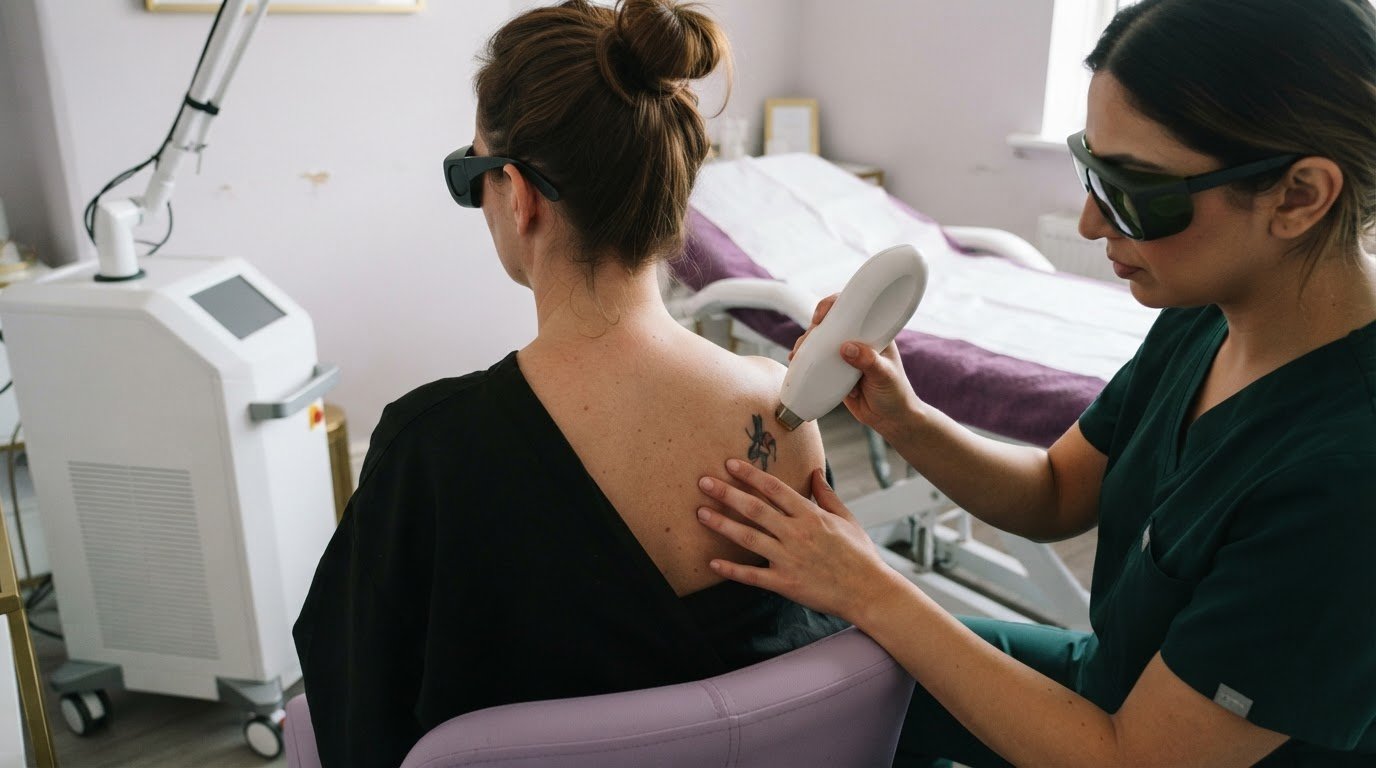
Nefretiti Laser Clinic & Aesthetics offers laser hair removal if you’re considering an option beyond dermaplaning’s removal of fine surface hair. Dermaplaning removes peach fuzz and dead skin cells, while laser hair removal is a separate option for unwanted hair. The right treatment depends on the area and your hair-removal goals.
If you’re considering hair removal rather than facial exfoliation, discuss laser hair removal during a consultation. You can talk through the area you’d like treated and what the process involves before choosing your next step. The clinic is in Elm Park, Hornchurch, and welcomes clients from nearby areas including Romford and Upminster.
Contact Nefretiti Laser Clinic & Aesthetics or visit nefretitiaesthetics.co.uk to discuss your treatment options.
Choose the next step that suits your goals
Start by thinking about the result you want, rather than choosing a treatment by name. If you’re considering dermaplaning for peach fuzz in Hornchurch, identify the areas you’d like treated and what you want to change about your skincare or makeup routine. A focused conversation can help you explain your priorities and understand which approach fits.
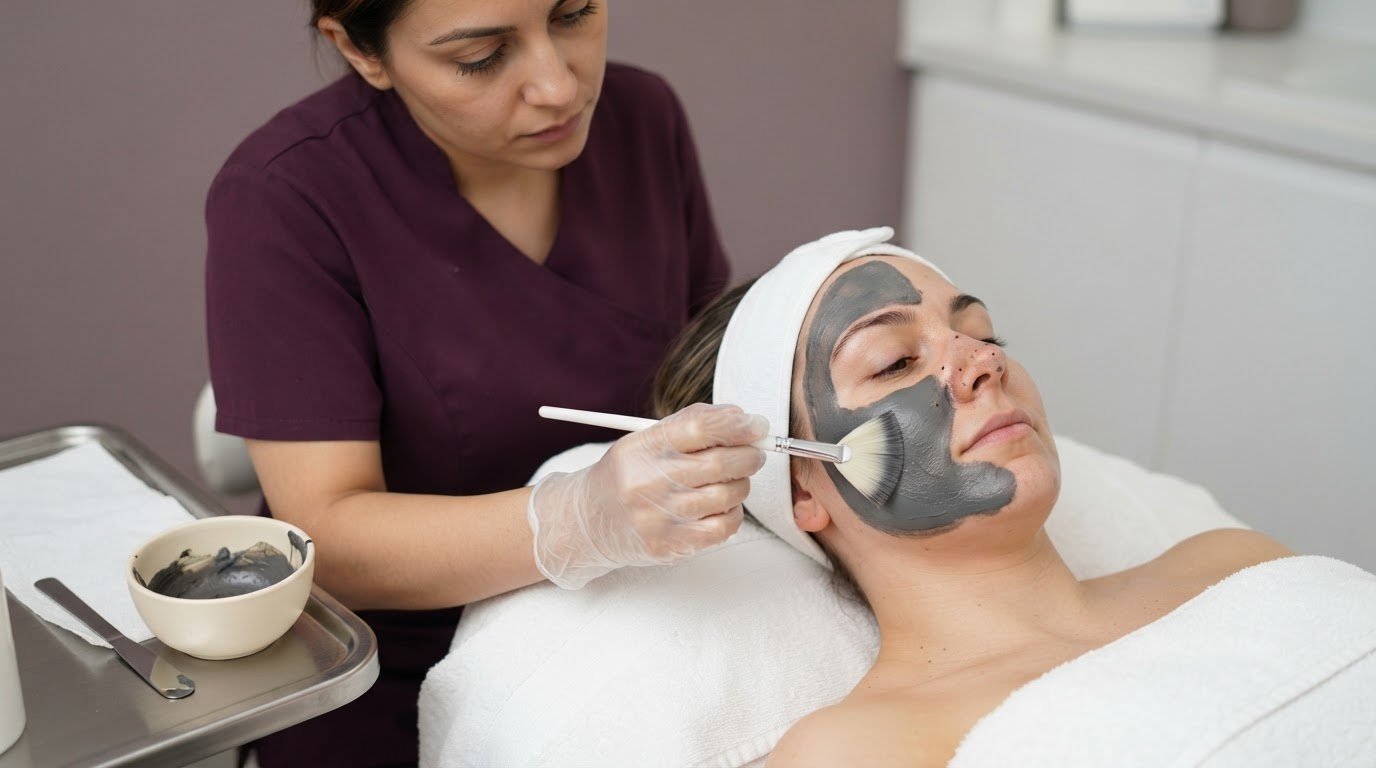
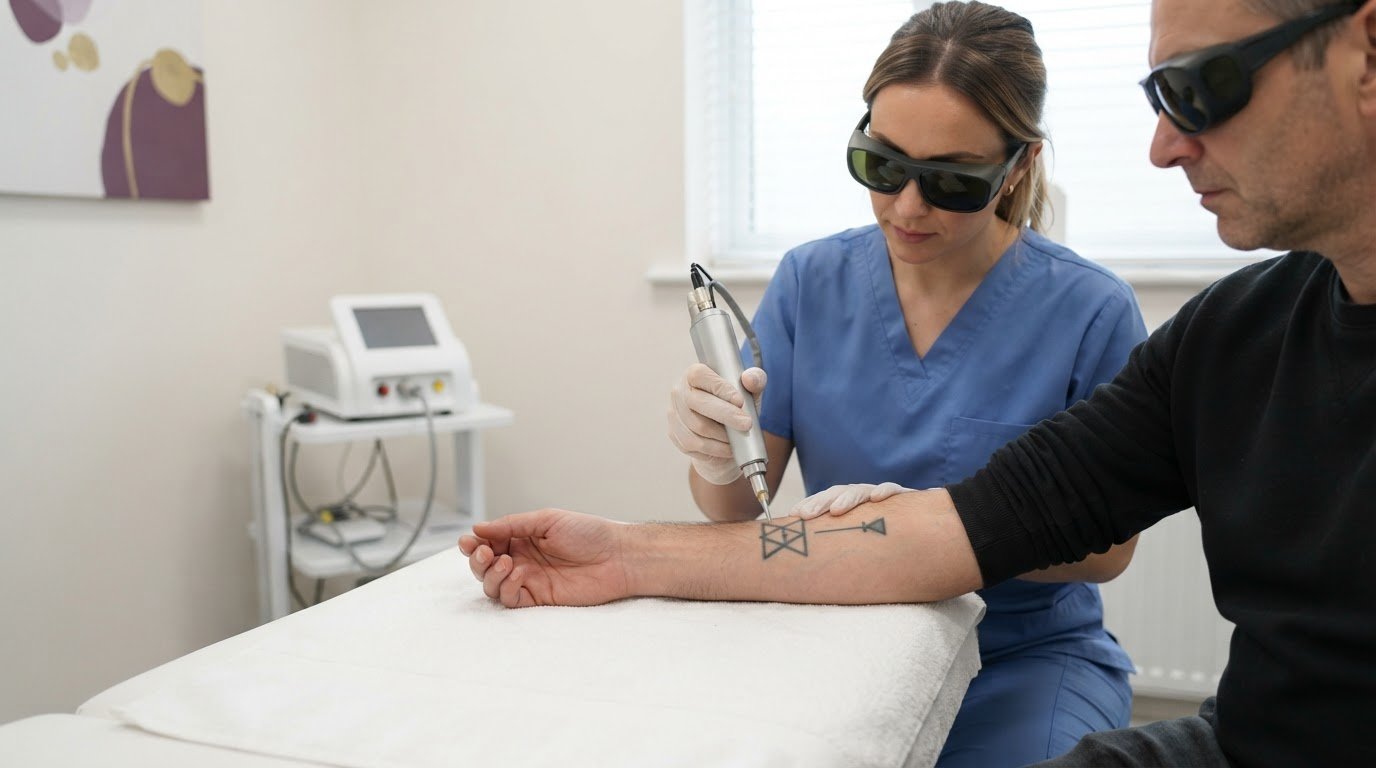
For goals beyond fine facial hair, Nefretiti Laser Clinic & Aesthetics also offers Laser Hair Removal, Laser Tattoo Removal and Carbon Laser Facial. These are distinct treatments for different concerns, so identifying your priority helps make the conversation more useful. Ask about your skin, treatment aims and the steps involved before deciding what to do next.
Take time to choose an option that suits your priorities. A personalised discussion is a practical way to move forward with confidence.
Your next step is simple: explore your options and choose what feels right for you.
Frequently Asked Questions
How long does the appointment take?
Appointment length depends on the treatment area and the time needed to discuss your skin beforehand. Tell the practitioner whether you’re considering the full face or a smaller area, such as the cheeks. When booking your day, leave some flexibility afterwards for questions and guidance. This is more useful than planning around the treatment itself alone.
How often should I have the treatment?
Further appointments are planned around your skin’s response and cosmetic aims. Discuss how often you want to maintain the result and whether your skin has felt comfortable since treatment. Keeping a note of your appointment date and any observations can make the next conversation more specific, rather than prompting you to book automatically.
Is there any downtime?
Downtime varies according to how your skin feels after treatment. If you have a busy day planned, avoid scheduling a facial immediately before an event that requires close-up photography or a particular makeup finish. Leave room to follow your aftercare instructions and notice how your skin responds. If discomfort is increasing rather than easing, contact the practitioner who treated you.
What is dermaplaning?
Dermaplaning is a cosmetic facial procedure that uses a scalpel across the skin’s surface. It isn’t designed to address deeper skin concerns. Before choosing it, be clear about your main aim, such as a smoother-feeling surface or removing fine facial hair. This helps you discuss whether the treatment matches the result you want.
Will my facial hair grow back thicker or darker?
No. Dermaplaning doesn’t change the natural texture or colour of facial hair. If regrowth feels different at first, avoid judging it by touch alone and consider how it looks as it grows. If you notice a new or unusual change in facial hair, raise it separately with a qualified professional, as it isn’t an expected effect of the treatment.
What is dermaplaning and does it remove peach fuzz?
Yes, dermaplaning removes fine facial hair from the treated area. Before your appointment, identify the areas that concern you most, such as the sides of your face or chin, and explain the result you prefer. This makes it easier to agree on the treatment area. Dermaplaning won’t address every type of facial hair or replace a treatment designed for another concern.
What is the aftercare for dermaplaning?
Follow the practitioner’s aftercare instructions and keep your routine straightforward. Note any products that cause discomfort, and avoid trying several unfamiliar products while your skin settles. If you have a question about a particular product, such as a foundation or skincare formula, name it when asking for advice. Contact the practitioner if you’re concerned about your skin.
What should I tell the practitioner before dermaplaning?
Explain your main goal, the facial areas you want treated and any current skin concerns. Mention active inflammatory acne, as treatment should wait until it has cleared. Describe your usual skincare routine and any recent changes, too. Clear details help the practitioner assess the planned area and discuss whether the appointment suits your skin that day.
Ready to book? See prices and book dermaplaning facials at our Elm Park, Hornchurch clinic – 2 minutes from Elm Park station.
Comments