


How to Look Less Tired With Injectables: Options for the Eye Area
Updated: 2d
Injectables can soften some signs of tiredness, but they won’t address every cause. To understand how to look less tired with injectables, first identify whether the concern is fine lines, under-eye skin quality or hollows that create shadows. Each calls for a different approach, and suitability matters.
It’s understandable to want a fresher-looking eye area without changing your natural features. Polynucleotides may be considered to address under-eye skin quality, while anti-wrinkle injections may soften expression lines such as crow’s feet. These options may not address hollows, so treatment around the eyes should be considered carefully.
This guide explains what these injectable options may help with, how they work and where their limits lie. It also covers why dark circles and puffiness can have different causes, what realistic results depend on and why a personalised assessment is an important first step.
Table of Contents
1. Polynucleotides for under-eye skin quality
Under-eye bags, dark circles and a tired appearance can have several causes, including thin skin, pigmentation, visible blood vessels, fluid retention, genetics or shadows from fat pads. Injectables address selected concerns, not every cause. Polynucleotides target skin quality rather than filling a hollow.
As skin around the eyes thins with age, underlying blood vessels may show more clearly. Changes in under-eye fat pads can also cast shadows, creating hollows or making the eyes look less bright. Pigmentation and poor circulation may contribute to dark circles too, so appearance alone doesn’t reveal the cause.
Polynucleotides are intended to support skin repair and regeneration at a cellular level. Around the eyes, the aim is to improve skin quality, not add the volume provided by dermal filler. They may be considered when fine lines or delicate-looking skin are the main concern, but they aren’t a direct solution for prominent bags or pigmentation-led circles.
During an assessment, the practitioner considers skin texture, the position of shadows and whether volume loss is present. A visible hollow caused by changes to fat pads, for example, differs from a brown-toned patch caused by pigmentation. Identifying the difference helps match the approach to the concern, rather than treating every tired-looking eye as a volume problem.
Sun exposure contributes to skin ageing, including around the eyes. Apply broad-spectrum SPF 30 daily, following the product directions and taking care around the eye area. Consistent protection supports skin health, but it won’t reverse existing hollows or replace an assessment of persistent dark circles.
Energy-based devices are another category considered for early skin laxity, but they work differently from injectables. Fractional erbium or CO2 laser treatments may help tighten under-eye skin; fractional CO2 resurfacing involves a structured recovery period of five to seven days. The appropriate option depends on whether laxity, skin texture or volume loss is driving the concern.
Before an assessment, note whether your main concern is a hollow, fine lines, loose-looking skin or discolouration. Mention any skin sensitivity or previous treatments. This helps distinguish concerns that may respond to skin-quality treatment from those better explained by anatomy, pigmentation or fluid-related puffiness.
2. Injectables for wrinkles around the eyes
For lines that appear when you smile, anti-wrinkle injections relax the muscles that create crow’s feet. This targets movement-related wrinkles, not skin discolouration or a hollow beneath the eye. The distinction matters because the same tired appearance can have several causes.
A practitioner assesses how lines look when your face moves and when it rests. Crow’s feet that deepen with a smile, for example, differ from fine lines visible on relaxed skin. Anti-wrinkle treatment may soften the former, but it won’t correct an under-eye hollow or remove dark circles caused by pigmentation or visible blood vessels.
Injections are placed in selected areas around the eyes, so an assessment should consider your facial movement and the result you want. Discuss previous treatments, relevant health information and any concerns before proceeding. A treatment plan should suit your features, rather than simply aiming to reduce every line, since movement around the eyes contributes to natural expression.
Minor swelling or bruising can follow injectable treatments for facial fatigue and typically resolves within 48 hours. The skin around the eyes is delicate, so tell the practitioner about bruising concerns or any changes you notice after treatment. Follow the aftercare instructions you’re given, and seek professional advice if a reaction concerns you.
A cool compress may help with temporary puffiness, which is different from treating wrinkles. Place it gently over closed eyes and avoid pressing ice directly against the skin. Fluid-related puffiness can make the under-eye area look heavier, but cooling won’t change a persistent hollow or pigmentation-led dark circles.
Microneedling is another option discussed for skin texture, rather than muscle movement. Around the eyes, it may help improve fine lines, firmness and brightness. It doesn’t relax the muscles responsible for crow’s feet, so it isn’t interchangeable with anti-wrinkle injections. Whether it’s appropriate depends on the skin and treatment area.
Dark circles can remain even when crow’s feet soften, because they may result from pigmentation, thin skin or shadows. To clarify the concern, note whether it appears when you smile, remains at rest or sits beneath the lower eyelid. This practical distinction helps guide a focused discussion about treatment and realistic aims.
If movement-related wrinkles are your main concern, you can book a consultation about anti-wrinkle treatment to discuss suitability and your priorities.
3. Tear trough filler for under-eye hollows and shadows
Under-eye filler may soften a hollow and the shadow it creates when volume loss is the main concern. The reader’s question about risks has a direct answer: under-eye filler can cause swelling, while injectable treatments may also cause minor swelling or bruising that resolves within 48 hours. Anti-wrinkle injections and filler address different features, so one cannot substitute for the other.
Tear-trough dermal filler is placed in the sunken area beneath the lower eyelid to add volume. Hyaluronic acid filler can soften the dip between the lower eyelid and cheek, reducing the shadow in suitable anatomy. It doesn’t change pigmentation, remove loose skin or treat bags caused by prominent under-eye fat.
Suitability depends on the skin and facial structure around the eyes. Very crepey skin can make filler less appropriate, as can pigmentation-led dark circles. If cheek support is lacking, adding product directly beneath the eye may not address the underlying contour. A careful assessment should distinguish a true hollow from puffiness, discolouration or fine lines.
Mid-face or cheek filler may support volume and contour when higher hollows contribute to a tired appearance. Supporting the cheek can change how light falls beneath the eye, creating a softer transition towards the lower eyelid. This approach doesn’t remove loose skin, and structural volumisers in the mid-face can last between 12 and 18 months.
Cheeks and temples are separate facial areas, not interchangeable filler sites. A change in temple volume may affect overall facial balance, but it doesn’t automatically mean temple treatment would improve under-eye shadows. An assessment should consider each area’s shape, the desired effect and whether lower-eye volume loss is actually causing the concern.
Before considering filler, observe the area in natural light. Is there a hollow at the inner corners, a shadow that changes with lighting or persistent puffiness? Mention any previous filler and swelling you’ve experienced. These details help distinguish contour concerns from skin-quality or pigmentation issues, which call for different approaches.
After treatment, follow the practitioner’s specific aftercare guidance and allow any swelling to settle before judging the appearance. Under-eye swelling can temporarily affect the contour, so an immediate result may not reflect the settled effect. Seek prompt professional advice if a reaction feels unusual or causes concern.
Filler isn’t a universal answer for tired-looking eyes. A useful discussion considers the depth of the hollow, cheek support, skin condition and whether pigmentation or puffiness is creating the appearance instead.

4. Treatment suitability and realistic expectations
Suitability depends on the feature you want to change, your facial anatomy and relevant health history. A consultation should identify whether crow’s feet, skin quality, volume loss or pigmentation is the main concern. It should also clarify what treatment can realistically address and which concerns call for a different approach.
Injectables target specific features, while skincare supports the skin’s surface and helps protect it from sun-related ageing. Surgery addresses concerns such as significant excess skin or protruding fat, which injectables don’t remove. A facial refresh may involve skincare, an injectable or another treatment, depending on the cause and the degree of change you want.
Prepare for your appointment by noting previous aesthetic treatments, relevant health conditions, allergies and any medicines or supplements you take. Bring questions about the proposed procedure, expected effects and aftercare. Don’t stop or change prescribed medicines for an injectable appointment unless the clinician who manages them advises you to do so.
A personalised consultation should cover your priorities and treatment history. Someone concerned about lines when smiling, for example, needs a different discussion from someone whose main concern is under-eye skin texture. Agree on the intended outcome and aftercare before deciding whether to proceed. Clear photographs taken before treatment can also help you explain which features you want to address.
Anti-wrinkle injections can soften crow’s feet by relaxing the muscles that create movement lines. They don’t correct an under-eye hollow, pigmentation or loose skin. A consultation can establish how often treatment may be needed to maintain results, rather than applying a fixed schedule to everyone.
Polynucleotide treatments focus on skin quality, not filling a tear trough. Rejuran and skin-needling are other regenerative approaches discussed for skin concerns. These treatments typically require maintenance sessions every six to twelve months. Their aims differ from those of anti-wrinkle injections, so compare the concern being treated, not just the treatment name.
Results and longevity depend on the treatment, the area addressed and individual response. A useful plan explains the intended change, limitations, possible side effects and review arrangements. Softening movement lines differs from improving under-eye texture; neither should be presented as a way to erase every sign of fatigue.
When choosing a cosmetic injector in the UK, check their professional registration with the relevant regulator. Ask about training in facial anatomy, experience with the proposed procedure, complication management and aftercare. Registration and experience are separate considerations, and clear answers about both help you make an informed choice.
Before deciding, ask why the proposed treatment suits your concern, what it cannot change and which alternatives fit your goals. A clear plan describes the intended effect without promising a particular result, and gives you time to consider whether the approach feels right.
5. Causes of a tired-looking face
A tired appearance can reflect sleep, fluid retention, facial structure or changes in the skin. These causes may occur together, but they don’t respond to the same treatment. Before considering a facial refresh, note whether the concern changes after rest, varies with your sleeping position or stays consistent throughout the day.
Under-eye puffiness can be related to fluid retention or genetics. Sleeping on your front or side may make fluid collect beneath the eyes, while excess alcohol can contribute to swelling. Notice whether puffiness is more pronounced after a particular evening or on waking. That pattern can help distinguish temporary changes from a feature that remains visible.
Sleep can affect how rested your face appears, but a full eight hours isn’t always achievable. Most adults are advised to aim for 6-9 hours per night. Notice how your complexion looks after different amounts of rest, rather than assuming that tired-looking skin has one cause or needs an injectable treatment.
Fluid-related puffiness and a fixed facial hollow are different concerns. A change in position may alter temporary swelling, whereas a hollow remains part of the facial contour. Dermal filler may be considered for suitable volume loss, but it won’t address puffiness caused by fluid retention or genetics.
Drooping brows can make the eyes appear heavy, even when under-eye skin isn’t the main issue. Compare your relaxed expression with your face when you raise your brows. Anti-wrinkle injections may sometimes soften crow’s feet, but they don’t correct an under-eye hollow or every cause of a heavy-looking brow.
Daily habits can also influence the skin’s appearance. The guidance in this article suggests drinking eight glasses of water throughout the day. Consistent skincare can be more useful than accumulating partly used serums. Choose a simple routine you can follow and observe how your skin responds over time.
Before visiting a clinic, note when puffiness appears, whether it changes during the day and whether your brows feel heavy. Record your usual sleep pattern and any connection with alcohol too. These details give a practitioner clearer context than the general description, “I look tired”.
A youthful, rested appearance doesn’t require treating every visible line or changing your facial features. The practical first step is matching the concern to its likely cause. Skin texture, brow position, sleep-related puffiness and facial volume each lead to different discussions, including whether injectables are relevant at all.
Nefretiti Laser Clinic & Aesthetics: Laser Hair removal
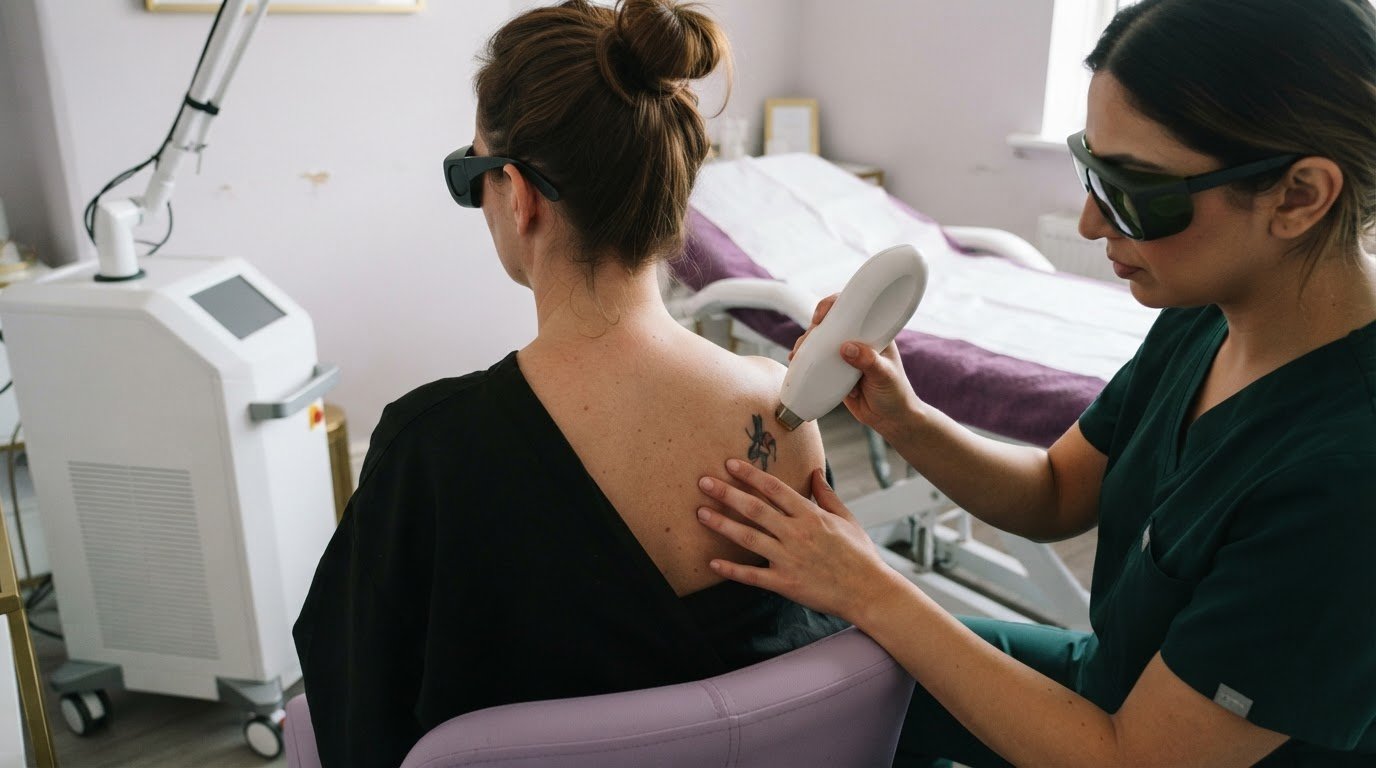
Nefretiti Laser Clinic & Aesthetics offers laser hair removal for unwanted hair, a separate concern from under-eye hollows, dark circles and wrinkles. It won’t treat tired-looking eyes, so the right next step depends on what you want to address.
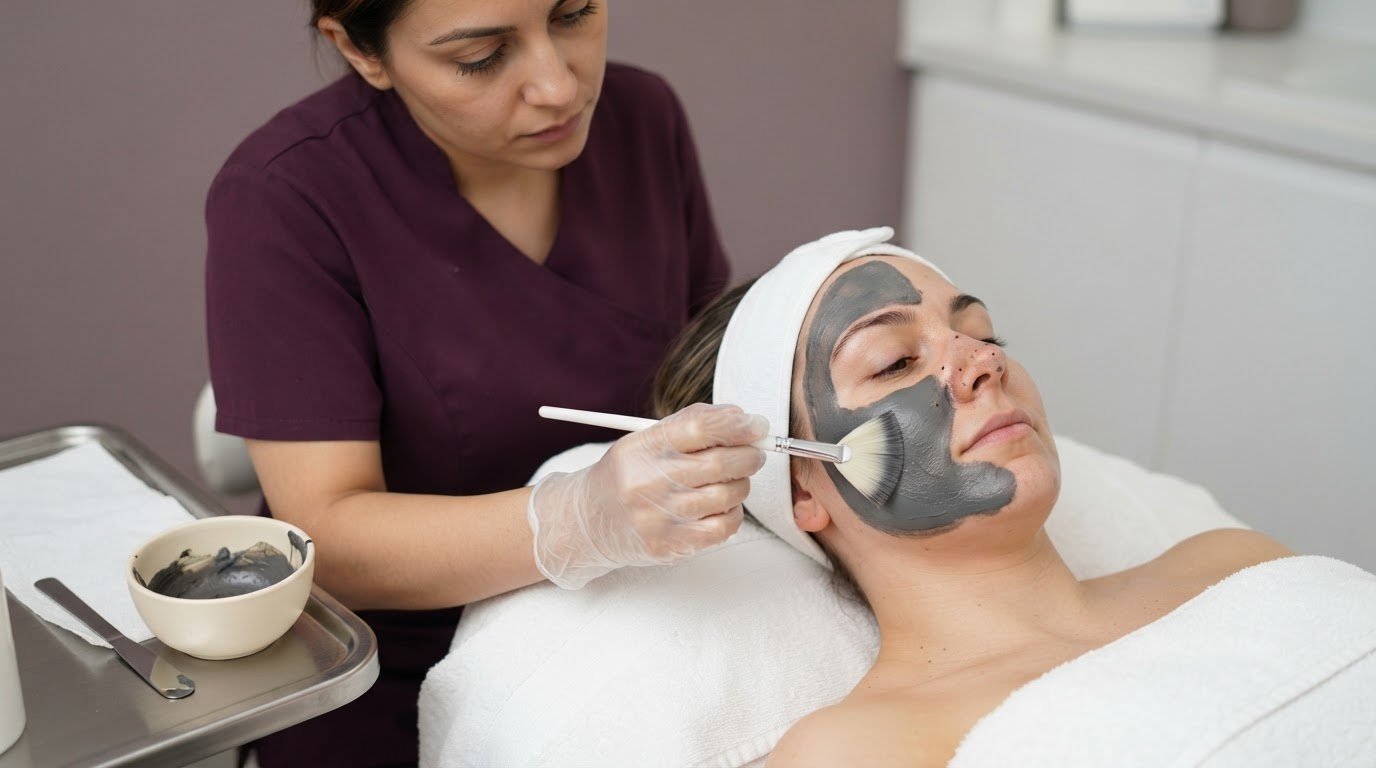
If your concern is skin tone or texture rather than facial volume or expression lines, IPL skin treatments or a charcoal facial may be options to discuss. These aren’t substitutes for injectables and don’t fill hollows or relax the muscles that cause crow’s feet. Matching treatment to the concern helps keep expectations clear.
For unwanted hair, explore laser hair removal. For under-eye concerns, use the distinctions in this guide to discuss skin quality, wrinkles and hollows with an appropriately qualified practitioner.
Contact Nefretiti Laser Clinic & Aesthetics or visit nefretitiaesthetics.co.uk to learn more.
Take a thoughtful next step towards a fresher appearance
Choosing how to look less tired with injectables starts with being clear about the change you want, rather than selecting a treatment by name. Before a consultation, note what bothers you most in natural light and whether it changes with facial expression. This gives the conversation a useful starting point.
Bring questions about the intended effect, limitations, possible side effects and aftercare. Ask how the suggested option relates to your concern and what it won’t change. Whether polynucleotides or anti-wrinkle injections are suitable depends on an individual assessment.
A measured plan should respect your natural features and give you room to make an informed decision. You don’t need to commit to treatment during an initial conversation. Take time to consider the advice and decide whether the proposed approach feels right for you.
Clear information and realistic goals help you move forward with confidence.
Frequently Asked Questions
Can cosmetic injectables really make me look less tired?
Yes, selected injectables can soften specific features that contribute to a tired appearance. Anti-wrinkle injections may reduce crow’s feet, for example, while polynucleotides target under-eye skin quality. Hollows, pigmentation and puffiness have different causes and may need other approaches. Start by identifying the feature that bothers you most, then discuss whether an injectable addresses it rather than expecting one treatment to refresh your whole face.
Are these treatments suitable for men who want to look more energised?
Men may consider facial aesthetic treatments for concerns such as crow’s feet or changes in under-eye skin quality. Suitability depends on facial anatomy, skin condition, health history and the desired effect, not simply gender. A man whose eyes look tired because of a hollow, for instance, needs a different assessment from someone concerned about lines that appear when smiling. A personalised plan should respect natural facial movement and features.
How long do the results of a “rested look” treatment last?
There isn’t one duration for every treatment or person. Structural volumisers in the mid-face can last between 12 and 18 months, while regenerative treatments such as polynucleotides typically need maintenance sessions every six to twelve months. Anti-wrinkle treatment intervals vary; a consultation can help establish a maintenance plan. The area treated, the approach used and individual response all influence how long a visible change remains.
Is there much downtime with non-surgical treatments for facial fatigue?
Downtime depends on the procedure and the area treated. Injectable treatments for facial fatigue can involve minor swelling or bruising that resolves within 48 hours. That may affect plans for photographs or an important event, even if you feel well. Ask for the treatment-specific aftercare instructions before arranging your diary, and allow time for any temporary marks or swelling to settle before judging the appearance.
Should I choose dermal fillers or PDO threads for my tired eyes?
Neither option is automatically better; they address different concerns. Tear-trough filler adds volume to a suitable under-eye hollow, whereas PDO threads are a different procedure and aren’t interchangeable with filler. If the concern is loose skin, puffiness or pigmentation, adding volume may not address the cause. Base the decision on the feature you want to change and a careful assessment of your facial structure and skin.
What is the best treatment for dark circles under the eyes?
The best option depends on what causes the circles. Pigmentation, thin skin that reveals blood vessels and shadows from under-eye volume changes can all contribute. A hollow that casts a shadow, for example, differs from a brown-toned area. Polynucleotides focus on skin quality rather than filling a hollow, while filler may soften hollows in suitable anatomy. Identifying the main cause helps narrow the options without treating every dark circle alike.
Which injectable treatments can make someone look less tired?
Anti-wrinkle injections may soften crow’s feet caused by facial movement, while polynucleotides may be considered for under-eye skin quality. Dermal filler may add volume to a suitable hollow, but it won’t treat every cause of tired-looking eyes. Choosing how to look less tired with injectables means matching the treatment to the concern: expression lines, skin texture and lost volume are distinct issues with different aims.
How do tear-trough fillers treat under-eye hollows and dark circles?
Tear-trough filler is placed in a hollow beneath the lower eyelid to add volume and soften the shadow. It may reduce the appearance of circles when hollowness is a main cause. It doesn’t remove pigmentation, loose skin or bags caused by prominent fat. Swelling can occur after under-eye filler, so the area’s anatomy and the likely cause of concern matter when considering suitability.
Ready to book? See prices and book polynucleotides at our Elm Park, Hornchurch clinic – 2 minutes from Elm Park station.
Comments