


Pain-Free Laser Hair Removal in Essex for Different Skin and Hair Types
Comfort matters, but laser hair removal won’t feel the same for everyone. If you’re considering pain-free laser hair removal in Essex, it’s helpful to know that treatment sensation and suitability can vary with your skin and hair type.
Laser hair removal targets pigment in hairs during their active growth phase, so a course of sessions is needed to treat hairs at different stages. At Nefretiti Laser Clinic & Aesthetics in Elm Park, Hornchurch, a free consultation and patch test help assess your skin and hair, discuss comfort and plan treatment before sessions begin.
This guide explains how laser hair removal works, which skin tones and hair types it may suit, what happens during appointments and what reduction to expect. You’ll also learn why results vary, how sessions are planned and how preparation, aftercare and professional assessment can support a considered treatment experience.
Table of Contents
What is laser hair removal?
Laser hair removal directs light towards pigment in the hair, heating the follicle to reduce further growth. A course often needs 6–8 sessions because treatment works best on hairs in active growth. Follow-up appointments may be spaced 4-6 weeks or 6–8 weeks apart, depending on the area and growth cycle.
Treatment areas
Laser light is absorbed by melanin, the pigment in hair, and the resulting heat acts on the follicle. Because hairs grow in cycles, one procedure cannot target every follicle at the same stage. Several appointments allow treatment to reach hairs as they enter active growth, supporting gradual reduction rather than immediate removal.
Common areas include the upper lip, chin, underarms, legs, back, chest and bikini line. The area being treated matters: a small facial zone differs from a larger body area in both coverage and appointment planning. For details on aesthetic treatments in Essex, consider how the treatment area and your priorities fit together.
Before an appointment, follow the preparation guidance provided during your consultation. Mention medicines, recent tanning or skin changes so they can be considered before treatment. Prepare the treatment area according to the instructions you receive. This helps the practitioner assess your skin and plan the procedure.
Treatment timing and intervals
Appointment length depends on the size and number of areas being treated. Treating the upper lip generally involves less coverage than treating both legs or the back, so timing is planned around your chosen areas. Your consultation can clarify the expected appointment length.
Facial and body areas may follow different schedules because hair-growth cycles vary. Follow-up intervals reported for treatment range from 4-6 weeks to 6–8 weeks, with timing guided by the area and visible regrowth. Keep to the schedule recommended for your treatment plan rather than expecting every zone to need identical gaps.
The number of appointments depends on factors such as the treatment area, hair characteristics and your response between sessions. Hair may shed after treatment, while reduction develops gradually as more follicles are treated. Results vary from person to person and area to area, so the timing and extent of change are individual.
Suitability for different skin tones and hair types
Laser suitability depends on the contrast between hair pigment and surrounding skin. A practitioner assesses both before deciding whether treatment is appropriate.
Skin tone suitability
Skin tone is one factor in choosing an approach. Laser light interacts with pigment, so the practitioner considers your skin as well as your hair. A consultation should cover the area being treated, its current condition and recent changes, including tanning.
A patch test helps assess how an individual area responds before a full treatment. This supports a considered decision for different skin tones, rather than assuming one setting suits everyone. Mention any relevant skin changes during the assessment.
Skin type suitability
Skin type involves more than tone. Sensitivity, dryness, irritation or a current skin concern may affect when an area is ready for treatment. The practitioner should assess the specific area rather than relying only on a general description of your complexion.
Tell the clinic about recent irritation or changes in the treatment area. If your skin is not in suitable condition on the day, treatment may need to wait. An individual assessment helps set realistic expectations and prioritise comfort.
Hair colour also matters because treatment relies on pigment in the hair. Dark hair is generally more suitable, and medium to thick hair tends to respond better. Very light hair may have too little pigment for the laser to target effectively, so discuss suitability rather than assuming treatment will work.
Hair characteristics can differ across the body. Underarm hair, for example, may be darker and coarser than fine facial hair on the same person. This can affect the likely response in each area. A practitioner considers your hair and skin together when discussing a treatment plan.
No single skin tone or hair description tells the whole story. A careful assessment can clarify whether laser technology may suit your goals and what degree of reduction is realistic. To arrange an initial appointment, you can book a suitability consultation.
Number of sessions and expected hair reduction
A course involves several appointments because follicles respond at different stages of growth. Visible change, shedding and maintenance needs vary between treatment areas and individuals.
Expected hair shedding and reduction
Some people notice visible reduction after 2 to 4 sessions. A course commonly involves 6–8 sessions, while 8 to 12 may be needed for optimal results. A full course may reduce hair growth by up to 90%, though this is not a guaranteed outcome.
After treatment, targeted hairs can loosen and shed gradually rather than disappear immediately. This is part of the reduction process, not a sign that new growth has been removed permanently. Follow your aftercare guidance and discuss any unexpected skin reaction with the practitioner.
Regrowth and maintenance
Laser treatment aims for long-term hair reduction, not guaranteed permanent removal. Some regrowth can occur, and maintenance sessions may be useful over time. Hair-growth patterns, the area treated and individual response all influence how results develop.
Hormonal factors can affect regrowth and the number of sessions needed. For example, PCOS may influence treatment requirements. If hair begins returning after a course, discuss the pattern and timing with your practitioner before planning further sessions.
Reduction and ingrown hairs
Ingrown hairs develop when hair grows back into the skin. As hair becomes finer or less dense, there may be fewer hairs to become trapped. This can make laser treatment relevant for areas prone to ingrown hairs, including the bikini line.
Laser reduction does not guarantee that ingrown hairs will stop. Shaving, waxing and individual hair-growth patterns can also affect the skin. Avoid waxing between sessions if your practitioner advises it, as removing the hair root can interfere with treatment targeting. Mention persistent bumps or irritation at your appointment.
Track changes by treatment area rather than judging the whole course after one session. Underarms and legs, for example, may respond differently, so note shedding and regrowth separately. Discuss your progress at each appointment to set realistic expectations and decide whether further sessions or maintenance may suit your goals.
Risks, contraindications and aftercare
Laser treatment can cause temporary skin changes, so understand possible reactions and follow your aftercare instructions. Discuss your skin condition, recent tanning and medicines before treatment.
Possible side effects
The treated area may feel warm or look red shortly after a session. Mild swelling or sensitivity can also occur. Reactions should settle, but responses vary between people and treatment areas.
Less common reactions can include blistering, burns, crusting or changes in skin colour. Tell your practitioner promptly about unusual pain, worsening irritation or unexpected skin changes. Seek appropriate medical advice if a reaction concerns you or does not settle.
When treatment may need to wait
Your practitioner should assess the area before treatment. Sun exposure or a recent tan can affect how skin responds, so disclose these before your appointment. Treatment may need to be postponed if the area is sunburnt, irritated, broken or affected by an active skin problem.
Share relevant medicines and health changes during your consultation, particularly anything that could make your skin more sensitive to light. Discuss pregnancy, a history of skin reactions or a current skin condition before agreeing on a treatment plan. These details help determine whether to proceed, adjust the plan or wait.
Practical aftercare
After treatment, follow your practitioner’s specific instructions for the area. Treat the skin gently and avoid rubbing or scratching it. Avoid heat, such as a very hot shower, and strenuous activity while the treated skin feels warm or sensitive.
Protect exposed skin from the sun and follow the sun-protection guidance provided for your treatment. Avoid tanning between sessions, and don’t apply irritating products to freshly treated skin unless advised. These steps help limit avoidable irritation during recovery.
Give the area time to settle before shaving or using skincare products that cause discomfort. Don’t wax or pluck between appointments if this conflicts with your treatment plan. Contact your practitioner if redness worsens, blisters develop or the skin becomes increasingly painful. Clear aftercare guidance supports comfort and helps identify reactions that need attention.
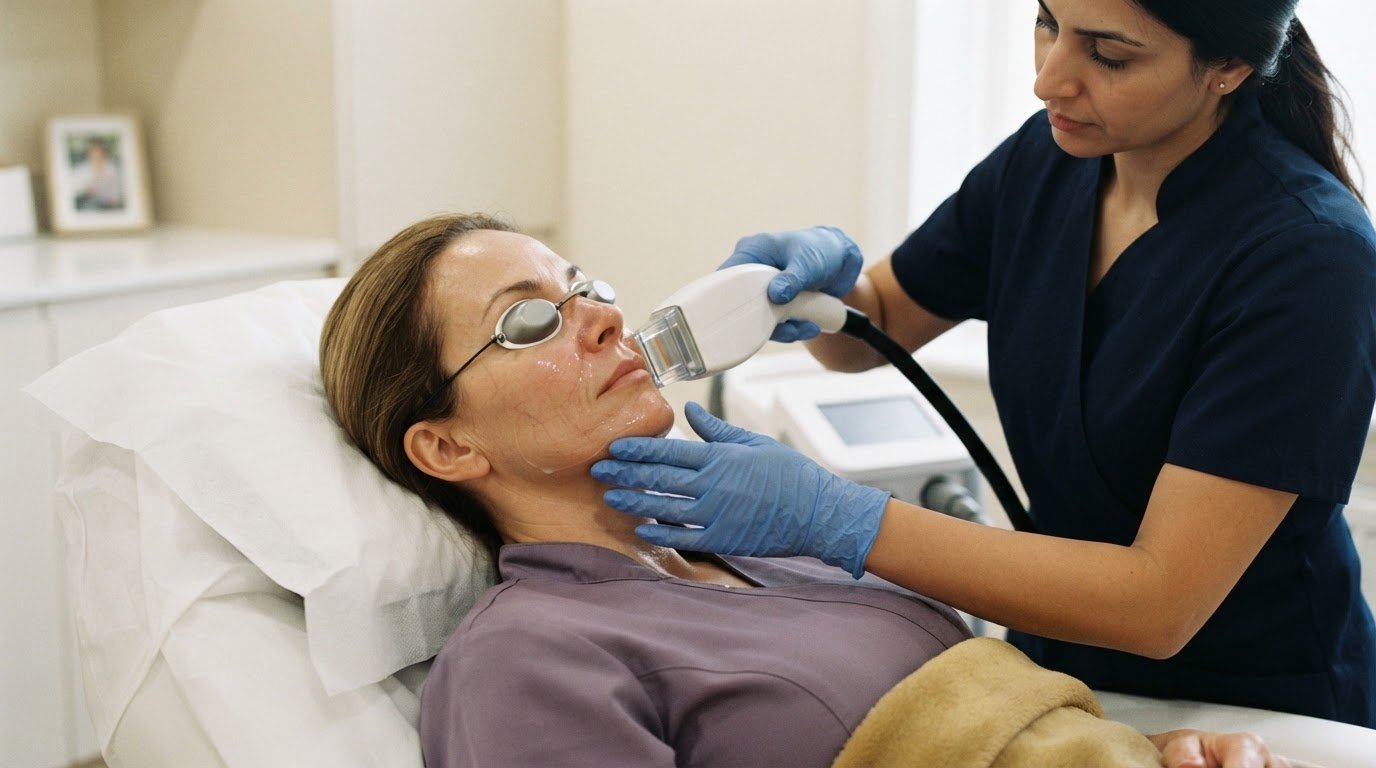
Personalised consultation and patch testing
A consultation and patch test let your practitioner assess your skin, hair and treatment area before planning laser treatment. This supports an individual approach rather than relying on a one-size-fits-all setting.
Initial consultation
During your initial consultation, the practitioner discusses your goals, treatment area and relevant health or skin history. They assess skin tone, hair colour and condition, including recent tanning or irritation. For example, a plan for facial hair may differ from one for underarms because the areas and hair characteristics differ.
Use the appointment to describe medicines, skin sensitivities and previous reactions to treatments. The practitioner can explain what reduction may be realistic and whether treatment appears suitable. Laser hair removal aims for long-term reduction, not guaranteed permanent removal.
Patch testing
A patch test applies a small amount of laser energy to a discreet area. The practitioner selects settings with your skin tone, hair colour and treatment area in mind, then assesses the skin’s response before planning treatment across a larger area.
Follow the clinic’s instructions about the test and any interval before treatment. A patch test informs the assessment, but cannot guarantee that no reaction will occur. Tell your practitioner if the test area becomes unusually sore or swollen, or changes colour.
Consultation and booking
Before booking, be ready to discuss your treatment area and main concerns. You might want to focus on the bikini line or ask whether facial hair is suitable for treatment. The consultation can clarify preparation, session planning and aftercare for your chosen area.
Shaving guidance should be tailored to the appointment and the clinic’s instructions. Don’t assume waxing is interchangeable with shaving, as the methods affect hair differently. Arrange an initial appointment through the online booking page, then use the consultation to discuss suitability and next steps.
Laser hair removal services in Essex
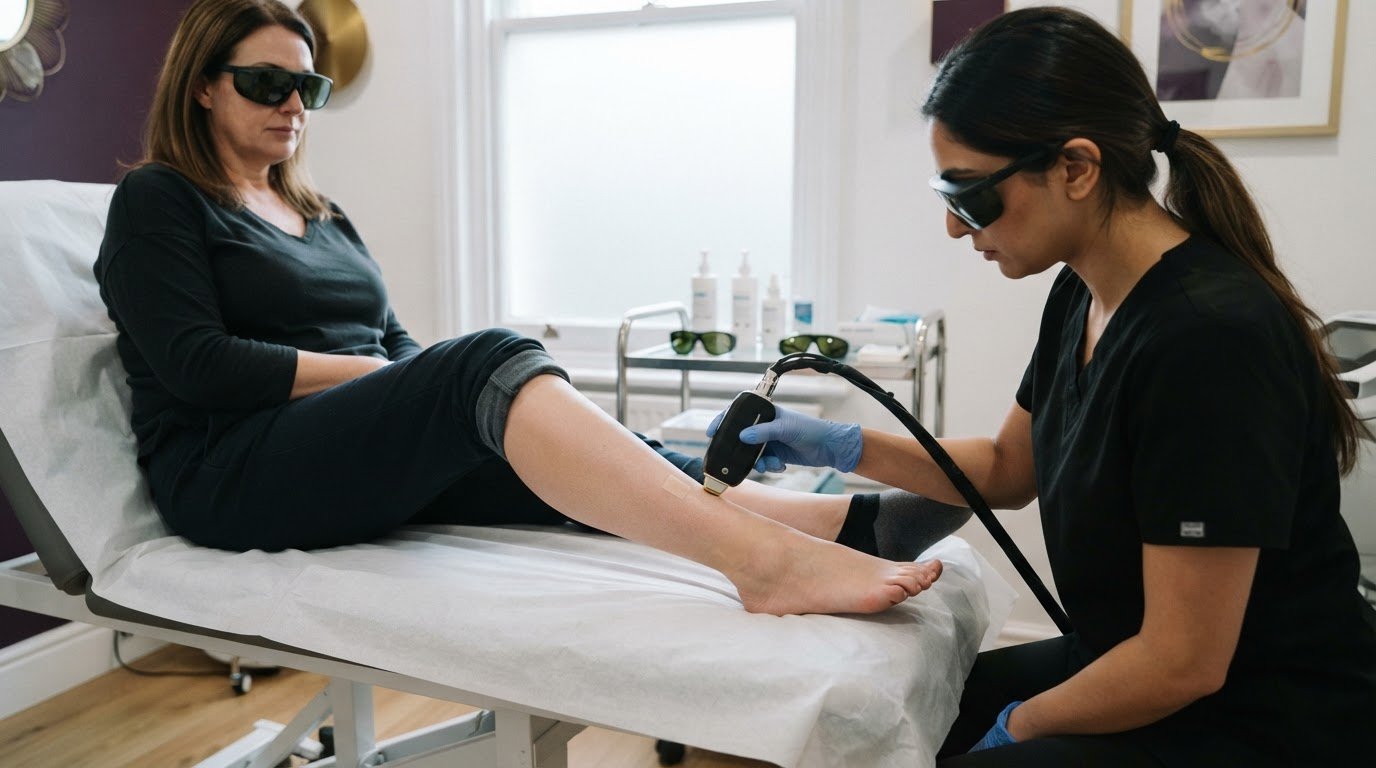
Laser treatment can target unwanted hair on areas such as the underarms, legs and bikini line. Your treatment plan should account for the area, your skin and hair, and your comfort.
Available laser technologies
If you’re considering pain-free laser hair removal in Essex, know that no technology can be described as painless for everyone. Sensations vary with the person, treatment area and settings used. A consultation and patch test help assess suitability and give you a chance to discuss what treatment may feel like.
Ask your practitioner to explain the laser approach, how they assess your skin and hair, and what to do if you feel uncomfortable. A gentle approach means careful assessment and attention to comfort, not a promise of a sensation-free procedure.
Clinics marketing pain-free treatment
Some Essex clinics use “pain-free” in their treatment descriptions. Treat this as a description of the experience they aim to provide, not a guarantee that you won’t feel anything. Underarms and the bikini line may feel different during treatment, and responses vary between individuals.
Look for a clear explanation of the assessment, patch test, treatment process and aftercare. Ask how your practitioner will monitor comfort and skin response. These details offer a more useful basis for deciding than a promotional phrase alone.
Laser treatment directs energy towards pigment in the hair follicle. Before treating an area, the practitioner assesses your skin and hair and selects suitable settings. Underarm hair and finer facial hair can differ, for example, so the plan should consider each area separately. The aim is gradual hair reduction, not instant removal.
Before your appointment, discuss your goals, treatment area and any concerns about comfort. Share relevant skin changes or medicines during assessment. Follow preparation instructions, including any shaving guidance, and avoid waxing if advised. This helps your practitioner assess the area and plan treatment carefully.
When choosing a clinic, consider how clearly the practitioner explains possible sensations, skin reactions and aftercare. A patch test supports individual assessment but cannot guarantee a particular result or feeling. Discuss the areas you want treated and make sure you understand the process before deciding whether to proceed.
Nefretiti Laser Clinic & Aesthetics
Nefretiti Laser Clinic & Aesthetics offers a local place to discuss unwanted hair and whether laser treatment may suit your needs. Based in Elm Park, Hornchurch, the clinic welcomes people from Romford, Upminster, Rainham, Dagenham, Brentwood and across Essex.
If you’re unsure whether your skin tone, hair colour or chosen area is suitable, a consultation can clarify the factors involved. Discuss the areas you’d like treated, such as the underarms or bikini line, and ask about comfort, expected reduction and session planning.
An individual assessment matters because hair and skin characteristics differ between people and body areas. Sharing relevant skin history, medicines, recent tanning or previous reactions gives your practitioner useful context. You can also discuss preparation and aftercare, so you know what to expect before deciding whether to proceed.
If you have concerns about treatment sensations, sensitive skin or how a patch test informs suitability, raise them during your consultation. Mention active skin irritation or a recent tan when discussing your plans. These details can guide whether treatment should go ahead or wait.
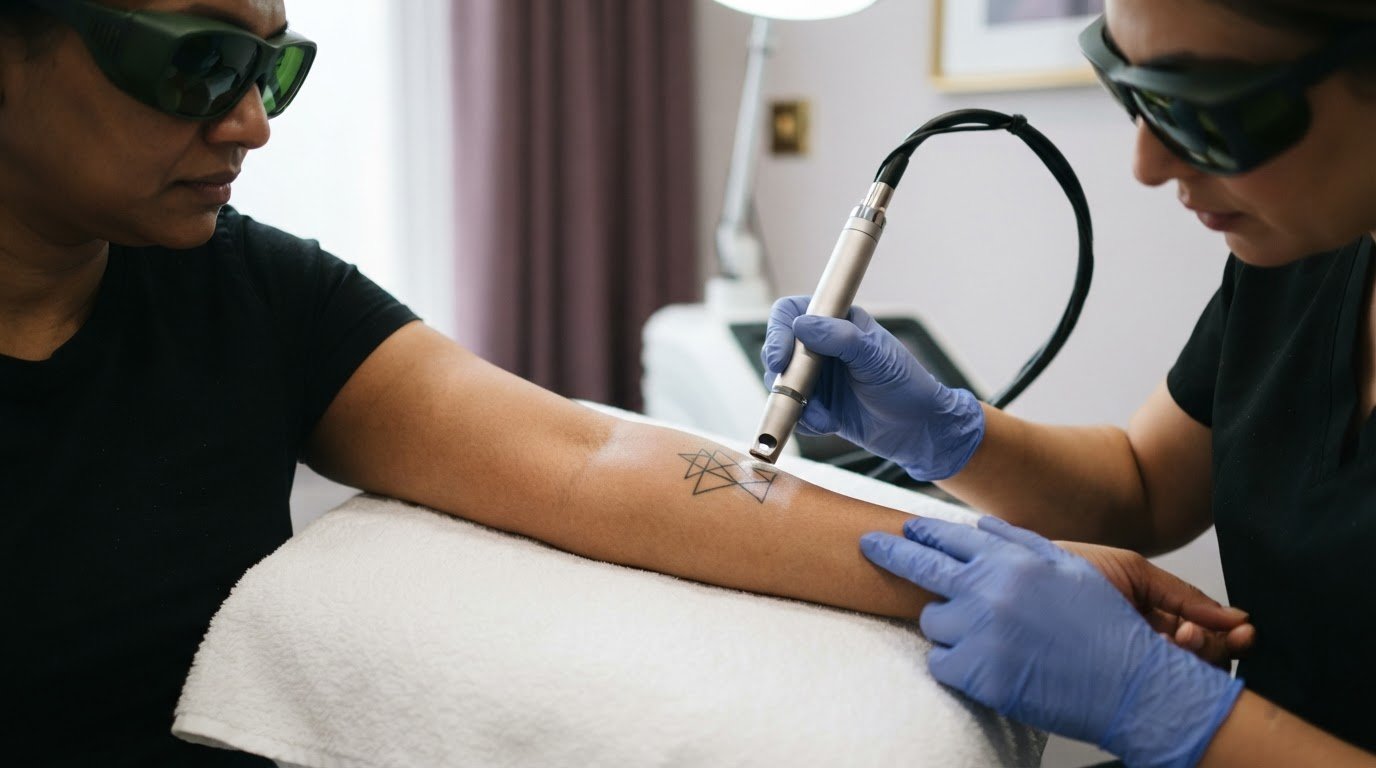
Laser hair removal is one of the treatments available at Nefretiti Laser Clinic & Aesthetics. The clinic also provides laser tattoo removal, Carbon Laser Facial and IPL skin treatments. For hair removal, discuss your goals and the area you’d like assessed.
Clients travelling from Harold Wood, Gidea Park or East London can also discuss their priorities before planning treatment. There’s no need to arrive with every decision made: explain what you hope to address, ask about the process and consider the information before choosing your next step.
To discuss laser hair removal, contact Nefretiti Laser Clinic & Aesthetics in Elm Park, Hornchurch.
Take your next step with confidence
Choosing pain-free laser hair removal in Essex starts with an honest conversation about what comfort means to you. No treatment should be presented as sensation-free for everyone. Share your concerns openly so the discussion can focus on your priorities and whether treatment feels right for you.
A consultation gives you a chance to make an informed decision without rushing. Talk through your goals and ask what an individual plan would involve. Results vary, and the right next step depends on your assessment.
Nefretiti Laser Clinic & Aesthetics offers laser hair removal alongside laser tattoo removal and Carbon Laser Facial treatments. To explore treatment, book a free consultation and patch test and discuss your goals at your own pace.
Take the time you need and choose an approach that feels informed and right for you.
Frequently Asked Questions
How many treatments will I need?
A course commonly involves 6–8 treatments, although your area and hair-growth pattern affect the total. Hormonal influences, including PCOS, can also change how hair responds over time. At appointments, note which areas show slower regrowth and which still need attention. This gives you a useful record to discuss with your practitioner when reviewing your progress and deciding whether to continue.
Are there any side effects?
Temporary redness, warmth, swelling or sensitivity can occur after a session. Less common reactions include blistering, crusting or changes in skin colour. Don’t judge a reaction only by how your skin looks immediately after treatment; track whether it settles or worsens. Contact your practitioner about an unexpected or persistent change, and seek medical advice if symptoms are severe or concerning.
How many sessions will I need?
The number of appointments varies by person and treatment area. Hair colour, coarseness, growth pattern and hormonal factors can influence progress. Facial hair, for example, may behave differently from underarm hair during the same course. Expect gradual reduction rather than complete removal, and review changes area by area with your practitioner as treatment progresses.
How can I maintain these results?
Some regrowth may occur after a course, and maintenance treatment can be considered if it becomes noticeable. Pay attention to where and how hair returns rather than assuming every area needs the same follow-up. Hormonal changes may also affect growth. Discuss a changing pattern with your practitioner before arranging further treatment, so next steps reflect your current skin and hair response.
How will my skin feel after treatment?
The treated area may feel warm, tender or slightly sensitive, and may look red or mildly swollen. Choose soft, loose clothing if an area such as the bikini line feels uncomfortable against fabric. Follow aftercare instructions for skincare and sun protection, and avoid rubbing the area. If discomfort increases or your skin changes unexpectedly, contact your practitioner for advice.
Need more information?
A consultation can help you understand whether treatment suits your goals and what the process involves. Nefretiti Laser Clinic & Aesthetics offers a free initial consultation and patch test before treatment. Mention practical concerns such as previous skin reactions, the areas you want treated or how you feel about treatment sensations. This helps make the discussion useful and individual.
What does pain-free laser hair removal feel like, and is it genuinely painless?
Laser hair removal should not be assumed to feel completely painless. Sensations vary, and you may notice warmth, brief pinpricks or a snapping feeling during treatment. The experience can differ between people and treatment areas. If comfort is a concern, say so during your consultation and patch test. You can discuss what you might feel before deciding whether to proceed.
What cooling methods or numbing options do Essex clinics use to reduce discomfort?
Cooling and numbing approaches vary between clinics and treatment plans, so a “pain-free” description doesn’t tell you which method is used. Nefretiti Laser Clinic & Aesthetics uses UK medical-grade, multi-wavelength laser technology, with an independent handpiece for each wavelength. A consultation and patch test give you the opportunity to discuss comfort concerns and understand the approach before treatment begins.
Comments