


Preparing for Laser Hair Removal: Patch Test to Aftercare
What does a patch test tell you before your first laser hair removal session? It gives the practitioner an opportunity to assess how your skin responds, and it must take place at least 24 hours before your first session. Knowing how to prepare for a laser hair removal session also means following advice on shaving, sun exposure and skincare.
It’s natural to want clear guidance before treatment, especially if you’re unsure what to do beforehand or what your skin may feel like afterwards. Preparing for a laser hair removal session is straightforward, but small details matter: waxing and plucking can affect the hair being treated, while recently tanned or irritated skin needs careful consideration.
This guide explains what to expect from a patch test, when to shave, what to tell your practitioner about your health and recent changes, and how to care for your skin after treatment. You’ll also find practical steps to help you arrive prepared and know when to discuss your plans with a qualified practitioner.
Table of Contents
What Is A Laser Hair Removal Patch Test?
A patch test checks how a small area of skin responds before your first laser hair removal treatment. It must take place at least 24 hours before that session. Risks can include temporary redness, itching or slight swelling, which usually settle within 24 hours. Recent tanning or medicines that increase photosensitivity need discussion before treatment, as they may affect suitability.
Attend your patch test at least 24 hours beforehand. The practitioner applies a test pulse to a small area and assesses your skin’s response. Tell them about any discomfort or visible changes afterwards. The test supports a safer treatment plan, but it doesn’t remove the need to discuss new skin changes before your appointment.
Protect the area from sun exposure. Avoid sun exposure for 4-6 weeks before treatment, and take particular care if the area has become tanned. Tell the practitioner about recent sun exposure during your consultation. If you can’t avoid sunlight, use sun protection and follow the practitioner’s instructions for your skin and treatment area.
Stop waxing and plucking in advance. Avoid waxing, plucking or bleaching hair for 4-6 weeks before treatment. These methods can remove or alter hair at the follicle, which the laser treatment targets. Shaving is different because it removes surface hair while leaving the follicle in place; the next section explains when to shave.
Keep the treatment area product-free on the day. Arrive with clean skin, without lotions, oils or deodorant. Pause irritating skincare, including retinoids and exfoliating acids, for several days before treatment, following the practitioner’s advice. Caffeine avoidance isn’t a universal preparation rule in the available guidance. If caffeine makes you feel unsettled, mention this during your consultation rather than treating it as a skin-care requirement.
Plan for gentle activity after your session. Avoid intense exercise, saunas and hot tubs for 24-48 hours. Heat and sweating can irritate treated skin, so choose loose clothing and keep the area comfortable. If redness, itching or slight swelling occurs, monitor it; contact the clinic if symptoms worsen or concern you.
A patch test is one part of preparation, alongside an honest discussion about your skin and recent sun exposure. For readers considering aesthetic treatments in Essex, treatment options across Essex provide a helpful starting point for understanding the services available.
Shaving before the appointment
Wear loose, comfortable clothing that gives easy access to the treatment area and won’t rub against it afterwards. Bring a note of any medicines you take or recent skin changes to discuss with your practitioner, especially if you haven’t already mentioned them during your consultation.
Shave 12-24 hours before your appointment. Shaving the day or night before leaves time for minor skin irritation to settle. It removes visible hair above the skin while keeping the hair follicle in place. The laser can then target the follicle without longer surface hairs absorbing heat.
Use shaving, not waxing or plucking. Waxing and plucking remove hairs from the follicle, which can interfere with the treatment target. Shaving cuts the hair at the skin’s surface instead. Avoid tweezers, waxing strips and epilators on the area before your appointment, even if a few hairs remain.
Prepare the full treatment area carefully. Use a clean razor and gentle strokes, following the direction of hair growth where practical. Take care around curves, folds and sensitive areas. A nick, razor burn or irritated patch may make the skin less comfortable during treatment, so don’t rush to remove every fine hair.
Don’t shave again on treatment day unless advised. If you’re learning how to prepare for a laser hair removal session, plan to shave the day before, not immediately beforehand. If you miss that window, or shaving causes a cut or rash, tell your practitioner before treatment. They can assess the area and advise whether to proceed.
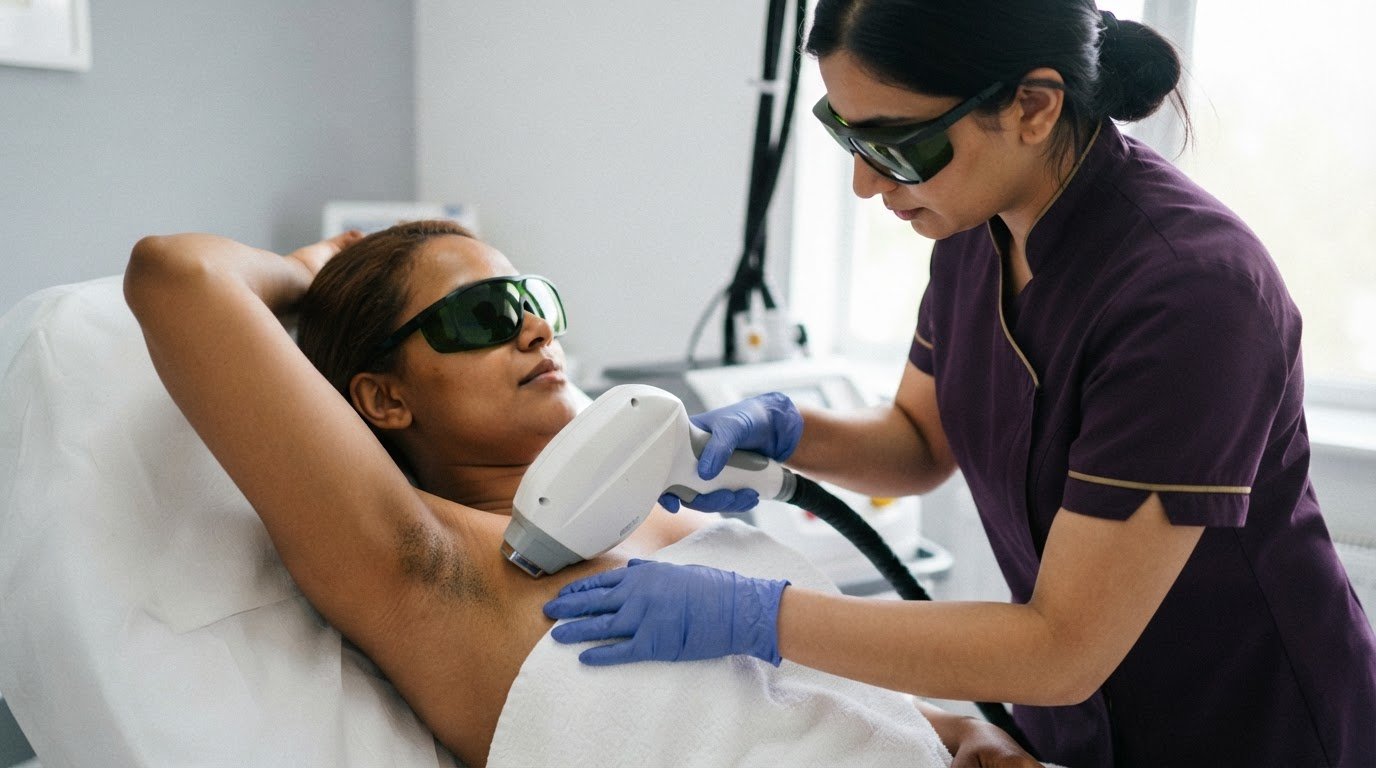
Choose clothing that won’t press on freshly treated skin. Soft, loose trousers or a relaxed top can make changing easier and reduce rubbing on the way home. For an underarm appointment, a loose-fitting top avoids tight seams across the area. Keep the treatment area accessible without wearing restrictive layers.
Keep your appointment details and questions handy. Note any difficulty shaving, such as irritation in the bikini area or hard-to-reach patches on the legs. Your practitioner can explain how to manage those areas. Don’t try to correct a patch with waxing or plucking.
If you’re arranging a first appointment, you can book a laser hair removal consultation and discuss your shaving routine with the practitioner.
The clinic recommends shaving the treatment area the day or night before a laser hair removal appointment. Shave the treatment area the day before, keeping the timing straightforward as you plan for your visit. Choose a suitable time on the preceding day rather than leaving the task until the appointment is imminent. If you are deciding when to shave, the recommendation is the day before, whether you do it during the day or at night. Keeping to that timing gives you a clear preparation step to follow before your appointment. Focus on shaving the treatment area within that window, and avoid making the task a last-minute part of getting ready. This keeps your preparation aligned with the stated timing and helps you approach the appointment with the shaving step already planned.
Discussing recent sun exposure and medical changes
Describe sun exposure during your consultation. Tell the practitioner if the treatment area has been exposed to strong sunlight during the 4-6 weeks before your appointment. Mention holidays, outdoor work and days spent sunbathing. A visible tan is useful information too. Recent exposure helps the practitioner assess the skin and decide whether treatment should proceed as planned.
Avoid tanning beds before your session. Avoid sunbathing and tanning beds for at least two weeks before treatment. Tanning can change the skin’s colour, so share the dates of any sunbed use with the clinic. Don’t assume that a tan from a sunbed is safer to treat than a tan from outdoor sunlight.
Stop using fake tan in good time. Self-tanning products should be avoided for 3-4 weeks before treatment. Tell the practitioner when you last applied fake tan, even if the colour has faded. A tanning product can leave colour on the skin, so don’t try to disguise it with another layer before your appointment.
Protect skin if sunlight is unavoidable. Use SPF 50 on exposed treatment areas when you can’t avoid the sun. Covering the area with clothing can also reduce direct exposure. Sun protection is especially useful during outdoor journeys or work, but it doesn’t replace telling the practitioner about a tan or sunburn.
Report medicines and medical changes. Before treatment, tell the practitioner about every medicine you take, including recent changes. Some medicines can make skin more photosensitive. Give the medicine’s name and explain when you started it; don’t stop prescribed treatment without advice from the prescriber.
Mention skin irritation or new concerns. Tell the clinic if the treatment area feels unusually sensitive or shows irritation, such as redness after a recent sunburn. Share changes in your health or medicines since your last consultation. These details help the practitioner review the area before deciding whether to treat it.
Keep the treatment area clear on appointment day. Arrive with clean skin and no deodorant, lotion or oil on the area being treated. If you’ve applied sunscreen earlier, explain this when you arrive so the practitioner can advise on preparing the skin. Don’t conceal a recent tan beneath make-up or skin products.
Aftercare following the session
Expect mild, short-lived skin changes. Redness, itching or slight swelling around the follicles may appear immediately after treatment. These effects usually settle within 24 hours. Treat the area gently while it feels warm or sensitive. If swelling bothers you, apply ice wrapped in a clean, soft cloth rather than placing ice directly on your skin.
Keep the area cool for 2-3 days. Avoid very hot baths and showers, steam baths, saunas and strongly chlorinated swimming water. Choose a comfortably warm shower instead. Heat and chlorine can aggravate freshly treated skin, so skip the hot tub and pool during this period.
Pause intense exercise for 24-48 hours. A strenuous workout can add heat and sweat to skin that may already feel sensitive. Allow the area to settle before returning to intense training. Loose, breathable clothing can reduce friction; avoid tight garments that press against the treated skin for 2-3 days.
Use gentle products during the first days. Avoid perfume products and bleaching creams for 24-48 hours. Keep retinoids, glycolic acid and benzoyl peroxide off the area for several days before and after treatment, following the practitioner’s instructions. Don’t scrub or exfoliate treated skin for one week, and avoid chemical peels during this recovery period.
Wait before applying fake tan. Leave self-tanning products off the treated area for 1-2 weeks after your session. Avoid sunbathing and tanning beds for at least two weeks after treatment. If the area will be exposed outdoors, protect it from sunlight and follow the practitioner’s advice about suitable sun protection.
Shave only when the skin feels settled. Shaving isn’t a way to speed up shedding, so don’t scrape or tweeze hairs as they loosen. Around 2-3 weeks after treatment, 10-20% of treated hairs may fall out. Let shedding happen naturally, and avoid waxing or plucking between sessions.
Contact the clinic about concerning symptoms. Seek advice if you notice pus, tenderness or fever, which can indicate infection. Redness or mild swelling that eases within 24 hours is different from symptoms that worsen or persist. Describe when the change began and which area was treated, so the clinic can guide you appropriately.
For comfort, wear loose, breathable clothing. The clinic advises avoiding tight clothing for two or three days, and avoiding exfoliating products and peels for one week.
Cleansing and gentle exfoliation
Clean the treatment area on appointment day. Wash away sweat and residue, then arrive with dry skin. Leave lotions, oils and deodorant off the area. For an underarm appointment, deodorant can be applied elsewhere, but keep it away from the skin being treated. Clean skin lets the practitioner assess the area without product residue.
Choose mild cleansing rather than scrubbing. Use a gentle, familiar cleanser and lukewarm water before treatment. Avoid trying a new product on the treatment area during the days beforehand. Fragrance, strong exfoliating ingredients or a rough cloth can leave skin irritated, especially around sensitive areas such as the bikini line.
Keep exfoliation gentle and well timed. If your skin tolerates it, gently exfoliate the bikini area 3-4 days before your session. Use light pressure and stop if you notice redness, stinging or soreness. This is not a reason to use a harsh scrub; irritated skin needs time to settle before laser treatment.
Avoid aggressive exfoliation before treatment. Don’t use scrubs, glycolic acid or retinol creams for two days before your appointment. Pause retinoids and exfoliating acids on the treatment area 2-3 days beforehand, following your practitioner’s instructions. These products can make skin more sensitive, while irritation may affect comfort during treatment.
Leave chemical peels enough recovery time. Avoid chemical peels for two weeks before and after treatment. Cosmetic-grade peels or laser resurfacing require a longer gap, with avoidance for at least four weeks before treatment. If you’ve had a peel, share its date and the product or procedure used during your consultation.
Understand what the laser targets. Laser hair removal targets pigment in the hair within its follicle. It doesn’t work by exfoliating the skin’s surface, so scrubbing won’t make a session more effective. Skin pigment and a recent tan are different considerations; tell your practitioner about colour changes before treatment.
Follow a simple routine during the weeks prior. Keep the treatment area calm, avoid sun exposure and don’t add potent products just before your appointment. If a product causes burning or a rash, stop applying it to the area and tell your practitioner. Clear information helps them assess irritation and advise on next steps.
Nefretiti Laser Clinic & Aesthetics
Nefretiti Laser Clinic & Aesthetics can guide you through preparation for laser hair removal, including discussing your skin and recent sun exposure, and explaining the patch test and aftercare. A consultation gives you time to mention medicines, skin sensitivities and questions about shaving, so the practitioner can assess your needs and discuss the next steps.
Based in Elm Park, Hornchurch, the clinic welcomes clients from Romford, Upminster and across Essex. If you’re considering treatment and want tailored preparation advice, contact Nefretiti Laser Clinic & Aesthetics to discuss your questions.
Take your next step with confidence
Knowing how to prepare for a laser hair removal session gives you a useful starting point, but your skin and circumstances will shape the conversation. Use your consultation to raise anything that could affect your comfort or suitability, and make sure you feel informed before deciding on treatment. There’s no need to rush; take the next step when you feel ready.
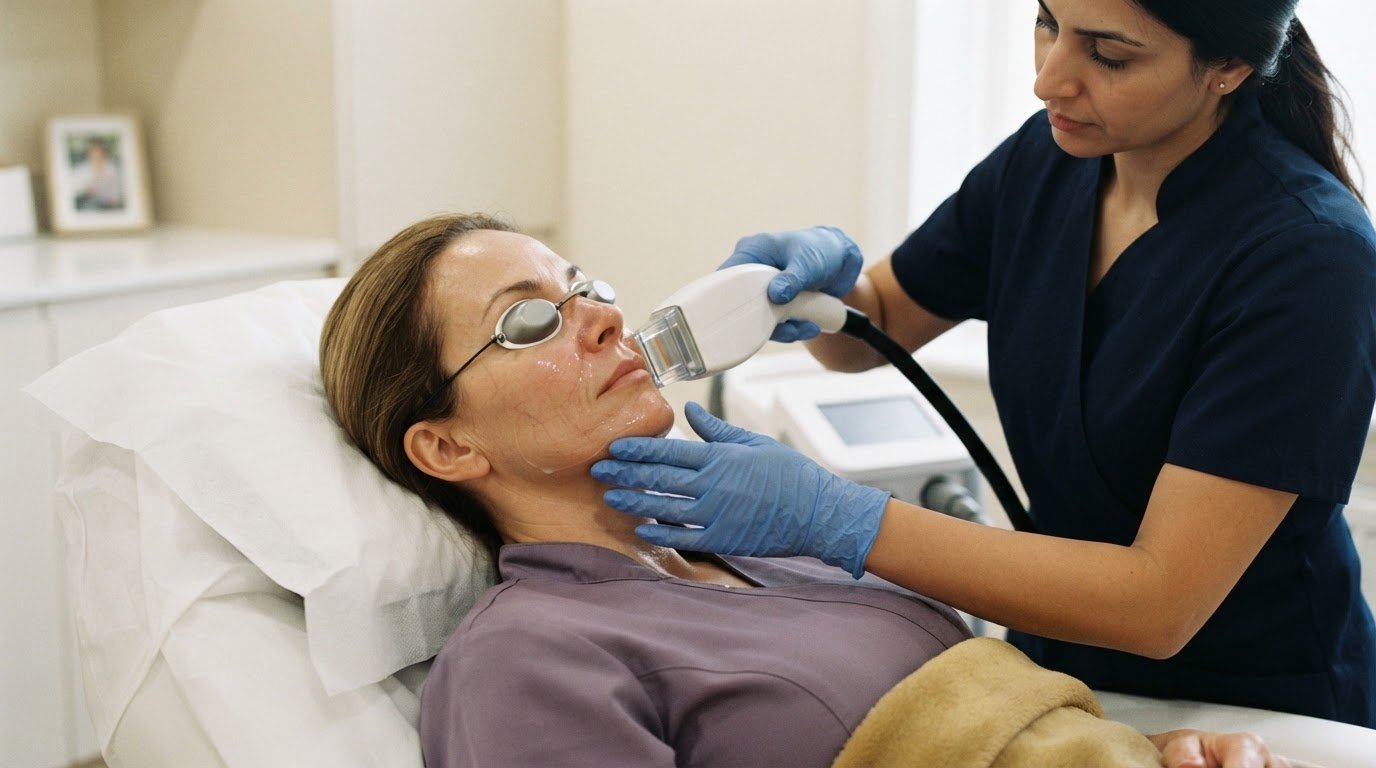
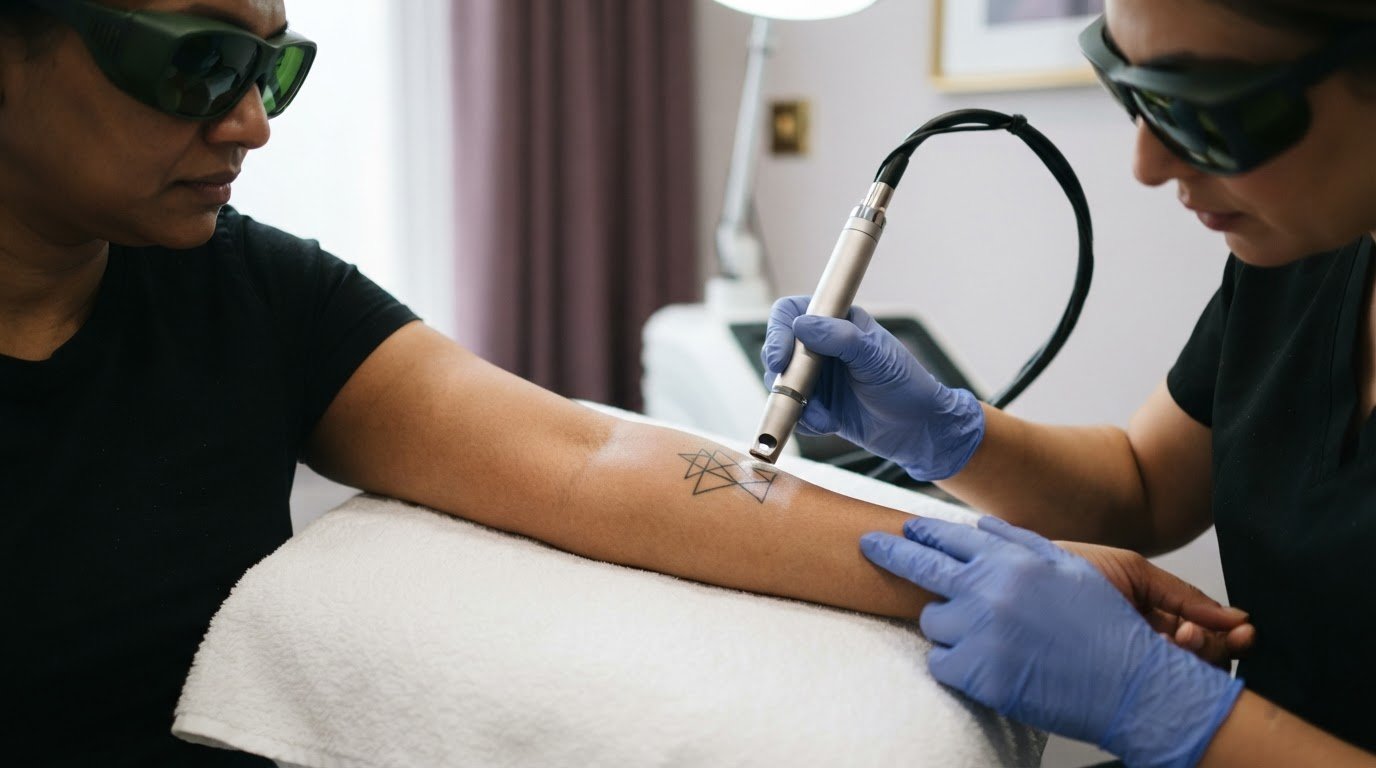
Nefretiti Laser Clinic & Aesthetics also offers laser tattoo removal and Carbon Laser Facial treatments, alongside laser hair removal. If you’re considering one of these treatments, a consultation can help you understand the options relevant to your needs.
Take your time, ask what matters to you, and move forward when you feel ready.
Frequently Asked Questions
Can I Shave Before My Session?
Yes. Shaving removes visible hair without pulling it from the follicle. Use a clean razor and gentle strokes to reduce the chance of nicks or irritation. Avoid waxing, plucking and epilators. If shaving leaves a cut, rash or sore patch, tell your practitioner before treatment so they can assess the area.
Can I wear make-up or deodorant to my session?
You can wear make-up or deodorant elsewhere, but keep the treatment area clean and product-free. For facial treatment, arrive without make-up on the area or allow time to remove it beforehand. Avoid deodorant on underarms being treated. If you’ve applied a product by mistake, mention it when you arrive rather than scrubbing your skin vigorously.
Do I need to tell the clinic about my medication?
Tell the practitioner about all medicines you take, including prescribed treatments, over-the-counter products and recent changes. Some medicines can make skin more sensitive to light, which may affect treatment planning. Have the medicine names ready and explain when you started or changed them. Don’t stop prescribed medication yourself; discuss concerns with the clinician who prescribed it.
How Should I Prep My Skin?
Keep the area calm and clean before your appointment. Wash with a mild cleanser, then avoid oils, lotions and deodorant on the treatment site. Don’t try a new skincare product immediately beforehand, particularly if it causes stinging or redness. If you have an active rash, broken skin or irritation, tell your practitioner before treatment rather than covering it with make-up.
What should I avoid before a laser appointment?
Avoid waxing, plucking and bleaching the treatment-area hair for 4-6 weeks beforehand. Avoid sun exposure for 4-6 weeks, and tell your practitioner about tanning or sunburn. Pause retinoids and exfoliating acids for several days, following the practitioner’s instructions. Chemical peels need a longer gap: avoid them for two weeks before treatment, and mention any recent skin procedures.
Why can’t I have laser on tanned skin?
A tan changes your skin colour, so the practitioner needs to assess it before deciding whether treatment can go ahead. Sun exposure may also leave skin irritated or sensitive. Tell the clinic about recent sunbathing, sunbeds or holidays, even if your tan looks faint. Don’t try to conceal tanning with make-up or fake tan before your appointment.
How long before laser hair removal should you shave?
Shave the treatment area 12-24 hours before your appointment, rather than immediately beforehand. This gives minor sensitivity from shaving time to settle while leaving the hair follicle intact. Use a clean razor and avoid repeated passes over the same patch. If you miss the suggested window or develop razor burn, explain this to your practitioner when you arrive.
What should you avoid before a laser hair removal session?
In addition to waxing and plucking, avoid tanning beds and sunbathing before treatment. Don’t apply fake tan in the 3-4 weeks beforehand, and keep irritating skincare away from the treatment area as advised. Arrive without lotions, oils or deodorant on that skin. Share details of medicines and recent medical changes so the practitioner can review them before treatment.
Comments