


Best chemical peel for acne scars Essex
Updated: 4 days ago
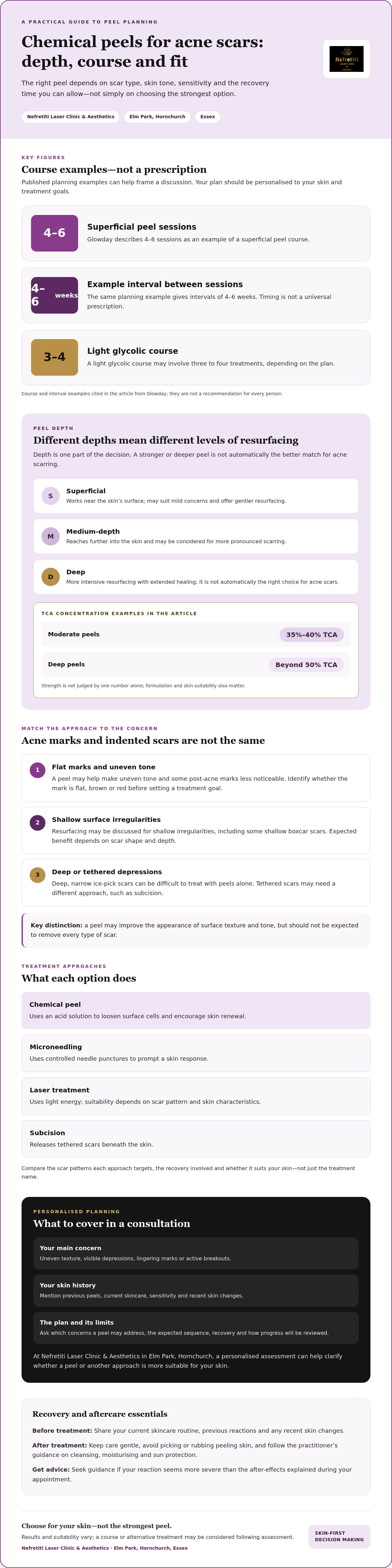
The strongest peel isn’t automatically the best choice. The best chemical peel for acne scars in Essex depends on the scar type, skin tone, sensitivity and how much downtime you can accommodate. Superficial peels may help with mild acne and uneven texture, while medium-depth peels may improve the appearance of more established scarring. Choose based on your skin, not just the acid name or peel strength.
Looking for a chemical peel in Hornchurch? See our Chemical Peels treatment page for prices and booking.
If you’re comparing treatments, you’ll want clear answers about suitability and cost before deciding. This guide explains how lactic, glycolic and salicylic acids differ, how skin type and sensitivity affect planning, and which concerns peels may address. It also covers factors that can affect treatment costs in Essex.
You’ll find practical guidance on consultations, treatment courses, recovery and aftercare, so you can understand what to expect and make an informed decision about your skin.
Table of Contents
Consultation and personalised treatment planning
Superficial peels work near the skin’s surface, medium-depth peels reach further, and deep peels involve more intensive resurfacing and longer healing. Peels, microneedling, laser treatment and subcision work differently, so the right option depends on scar type, skin characteristics and treatment goals.
A consultation helps match those factors to a realistic plan, including whether a peel course or another approach is more suitable.
Combining treatments and setting expectations
Describe your main concern at the consultation: uneven texture, visible depressions, lingering marks or active breakouts. The practitioner can explain which concerns a peel may address and whether combining treatments makes sense. A treatment plan should set out the sequence, recovery and how progress will be reviewed, rather than promise that one procedure will remove every scar.
For a local appointment, an aesthetic treatment consultation in Essex gives you a chance to discuss your priorities and practical questions in person. Mention previous peels, current skincare and any sensitivity, as these details can affect the plan. Set expectations around gradual change: a course may be considered instead of expecting a single peel to address different scar patterns.
Peel depth and treatment courses
Depth is one of the key decisions. A superficial peel may suit mild concerns and offers gentler resurfacing; a medium-depth peel reaches further and may be considered for more pronounced scarring. Deep peels are more intensive and involve extended healing, so they are not automatically the right choice for acne scars.
Strength is not judged by one number alone. Moderate peels may contain trichloroacetic acid (TCA) at 35% to 40%, while deep peels may contain TCA beyond 50%. A course may be discussed for acne or rosacea over the longer term. Glowday describes 4-6 superficial peel sessions and intervals of 4-6 weeks; a light glycolic course may involve three to four treatments. These are planning examples, not a universal prescription.
Comparing options for acne scars
A peel resurfaces the skin chemically, while microneedling uses controlled needle punctures to prompt a skin response. Laser treatment uses light energy, and subcision releases tethered scars beneath the skin. Compare the scar patterns each approach targets, the recovery involved and whether it suits your skin.
For example, shallow surface irregularities may prompt a discussion about resurfacing, while deeper or tethered depressions may need a different approach. Ask how the proposed procedure relates to your scar type, what course is anticipated and how the result will be assessed. A personalised plan should also account for sensitivity and the recovery time you can allow.
What are chemical peels?
A chemical peel uses an acid solution to loosen surface cells and encourage skin renewal. Its formulation and purpose should match the concern being treated, rather than simply promise a stronger effect.
How peels exfoliate and resurface skin
Peel acids disrupt the bonds between some surface cells, allowing them to shed as fresh skin develops. This controlled exfoliation may make rough texture and uneven tone less noticeable. The response depends on the formulation and your skin, so follow the aftercare instructions for the specific procedure.
Before treatment, share your current routine, previous reactions and any recent skin changes. Afterwards, keep care gentle and avoid picking or rubbing peeling skin. Follow the practitioner’s guidance on cleansing, moisturising and sun protection, and seek advice if your reaction seems more severe than the after-effects explained during your appointment.
Peels for acne and scarring
For acne-prone skin, exfoliation may help reduce surface congestion and improve the appearance of mild acne and uneven texture. A peel may also soften the look of some post-acne marks, but flat marks and indented scars are different concerns. Identifying what you want to address makes the treatment goal clearer.
For example, a shallow boxcar scar creates a different surface contour from a flat brown or red mark left after a breakout. A peel may affect surface tone and texture, but it cannot be expected to remove every type of scar. Discuss the specific feature you want to improve and how progress will be reviewed.
Pitted scar treatment suitability
Can chemical peels improve pitted acne scars, or might other treatments be more suitable? Peels may help the appearance of shallow irregularities, but deep, narrow ice-pick scars extend far beneath the surface and can be difficult to treat with peels alone. Their shape and depth may make another approach more appropriate.
Consider the scar pattern rather than treating all pits as one concern. Shallow boxcar scars and narrow ice-pick scars differ in shape, so the expected benefit from surface resurfacing differs, too. An assessment should clarify which marks a peel may address and where its limits lie.
Exfoliators, resurfacers and peels
An exfoliator is a product or method that helps remove surface build-up. Resurfacing describes the broader aim of improving texture through skin renewal; a chemical peel is one treatment that can do this. The terms overlap, but not every exfoliating product acts like a professional peel.
Fine lines, dullness, pigmentation and acne marks are distinct concerns, and the product or procedure should match the intended result. A peel consultation can help you discuss those priorities alongside your skin history. You can also explore aesthetic treatment options in Essex as part of that decision.
Choosing a peel based on skin type and sensitivity
Skin tone, sensitivity, current skincare and the concern being treated all influence peel selection. Compare ingredients, strength and aftercare, rather than choosing by product name alone.
Peel selection by skin type
For an at-home acid, match the product to your concern and follow its instructions exactly. Lactic acid is one ingredient to discuss if you want a gentler exfoliating approach; acne-prone skin may call for a different formulation. Don’t layer several acids or increase use because dead skin cells remain visible. Irritation can leave skin uncomfortable and affect its healthy appearance.
If the product gives a 3-10-minute application range, start at the lower end for your first at-home peel. Avoid physical exfoliation for 24 hours before and after, and avoid retin-A, acids and acne-clearing products for 3-5 days before and after, as advised for at-home peels. AlumierMD Peel is a name you may encounter for acne-prone skin; assess its ingredients and instructions rather than assuming its name makes it suitable.
Contraindications and skin suitability
Before a peel, tell the specialist about previous reactions, current skincare, skin sensitivity and whether acne is active. These details help assess whether your skin is ready and whether the proposed formulation suits your concern. Darker skin tones need pretreatment before procedures such as peels, so discuss how preparation will be tailored to your skin.
What UK qualifications and safety standards should you check when choosing a peel provider in Essex? Ask about relevant peel training, experience with your skin tone, insurance, and how risks, aftercare and follow-up are explained. Look for clear information about the procedure and its limitations, rather than relying on a product name or promises about results.
What are the risks, side effects and recovery times of chemical peels for acne scars? Possible effects include redness, flaking, swelling, crusting and changes in pigmentation. A superficial peel may take 1-7 days for redness and flaking to diminish; a medium peel may take 7-14 days to heal, with swelling during the first 48 hours and peeling for up to 2 weeks. Deep peels may take 14-21 days to heal.
Plan around recovery, not just the appointment. Glowday notes that redness after a superficial peel can sometimes persist beyond 2-3 months, so discuss expected changes before treatment. Follow the specific aftercare instructions, protect recovering skin from sun exposure and avoid picking flakes. If a reaction concerns you, contact the practitioner who performed the peel.
Lactic, glycolic and salicylic acids
Lactic, glycolic and salicylic acids all appear in chemical peel formulations, but they aren’t interchangeable. Compare the ingredient blend, concentration and purpose against your main concern, such as active acne, post-acne marks or uneven texture. The acid name alone doesn’t explain how the complete peel will be used or how your skin may respond.
Salicylic acid peel
Salicylic acid is used in peels for acne-prone skin and may suit oily skin concerns. It can also be combined with other acids, which changes the overall formulation. Ask whether the treatment is intended to address active breakouts, surface texture or marks left after acne, since these goals aren’t identical.
A peel containing salicylic acid should be assessed as a complete formula, not a single-ingredient shortcut. For example, the ZO Stimulator Peel combines salicylic acid with glycolic and citric acids. When comparing options, ask which ingredient has the main role and how the other acids contribute to the treatment plan.
Lactic acid may also appear alongside salicylic acid in a peel. The combination, concentration and your skin’s sensitivity matter more than choosing a blend because it sounds comprehensive. Share any history of stinging or irritation and the products you use, so the practitioner can assess whether that formulation is appropriate.
Lactic acid is used in professional peels and may be considered for exfoliation and surface texture. The Derma peel contains 40% lactic acid. That figure identifies its concentration, but concentration alone doesn’t explain how a treatment will suit a particular person; the overall formulation and intended use also matter.
For a lactic acid peel, discuss whether your priority is dullness, uneven tone or acne-related texture. Ask how the proposed treatment is expected to affect that concern and what skin response to expect. This gives you a more useful basis for comparing peels than judging by the acid name alone.
Glycolic acid
Glycolic acid is used in chemical peels at different strengths. Moderate peels may contain glycolic acid at 35% or higher, but a higher concentration isn’t automatically the right choice. The intended depth, skin sensitivity and treatment goal all inform whether a formulation makes sense.
Glycolic acid can be part of a blended peel or used as the principal acid. Compare the full ingredient list and ask how the treatment is intended to address your concern. For example, a plan for uneven texture should explain the improvement being targeted, rather than rely on a strength figure alone.
When weighing these acids, focus on how well the formulation matches your skin concern. Salicylic, lactic and glycolic options differ in composition, and a specialist can explain the reasoning behind the selected peel. Clear information about the ingredients helps you understand what the treatment is designed to do.
Chemical peel costs in Essex
There isn’t one price that applies to every chemical peel: the cost depends on the treatment plan, not simply the word “peel”. In Essex, compare the formulation, depth, number of planned sessions and what each appointment includes. A gentle superficial peel for uneven surface texture differs from a deeper peel planned for acne scarring or hyperpigmentation.
The price depends on your case and is provided after a quote request. Key cost factors include the peel’s ingredients and strength, the area treated, skin preparation and whether a course is recommended. The treatment plan should clarify whether the quote covers one procedure or a course, so you can understand the overall commitment before deciding.
Peel depth affects more than the appointment itself. A superficial treatment generally involves less recovery than a medium or deep peel, which may require more healing time. That difference can affect how you arrange work and daily activities. When choosing the best chemical peel for acne scars in Essex, consider whether the proposed depth suits your concern, such as post-acne marks, sun damage or uneven texture, rather than choosing by price alone.
Formulation matters, too. A peel containing lactic acid is not interchangeable with a blend of glycolic and salicylic acids. Ingredients, concentration and intended skin response all influence the plan. A stronger peel isn’t automatically better value, particularly if a gentler option better suits your skin and treatment goal.
Course planning can change the overall cost. For example, superficial peels may be planned as a series, with sessions spaced to allow skin recovery. Compare the proposed number of treatments, intervals and review points. If acne remains active, discuss whether it needs attention alongside visible scarring, rather than budgeting only for resurfacing.
Before agreeing to a plan, ask for the treatment name, peel depth, expected recovery, aftercare and whether follow-up is included. Clarify how the approach might change if the practitioner recommends a different option after assessing your skin. These details make comparisons between Essex clinics more meaningful than a headline figure, especially when treating pigmentation or scarring.
Value comes from suitability, clear aftercare and realistic planning. A peel that removes surface cells won’t necessarily reach a deep scar, and a lower initial cost may not reflect the overall course. When deciding on the best chemical peel for acne scars in Essex, prioritise a clear plan that explains the treatment selected and its purpose.
Book a chemical peel consultation
Nefretiti Laser Clinic & Aesthetics: Laser Hair removal
Nefretiti Laser Clinic & Aesthetics offers laser hair removal for unwanted hair, a separate concern from acne scarring. It isn’t a treatment for acne scars, so it cannot replace an assessment of scar type or peel suitability.
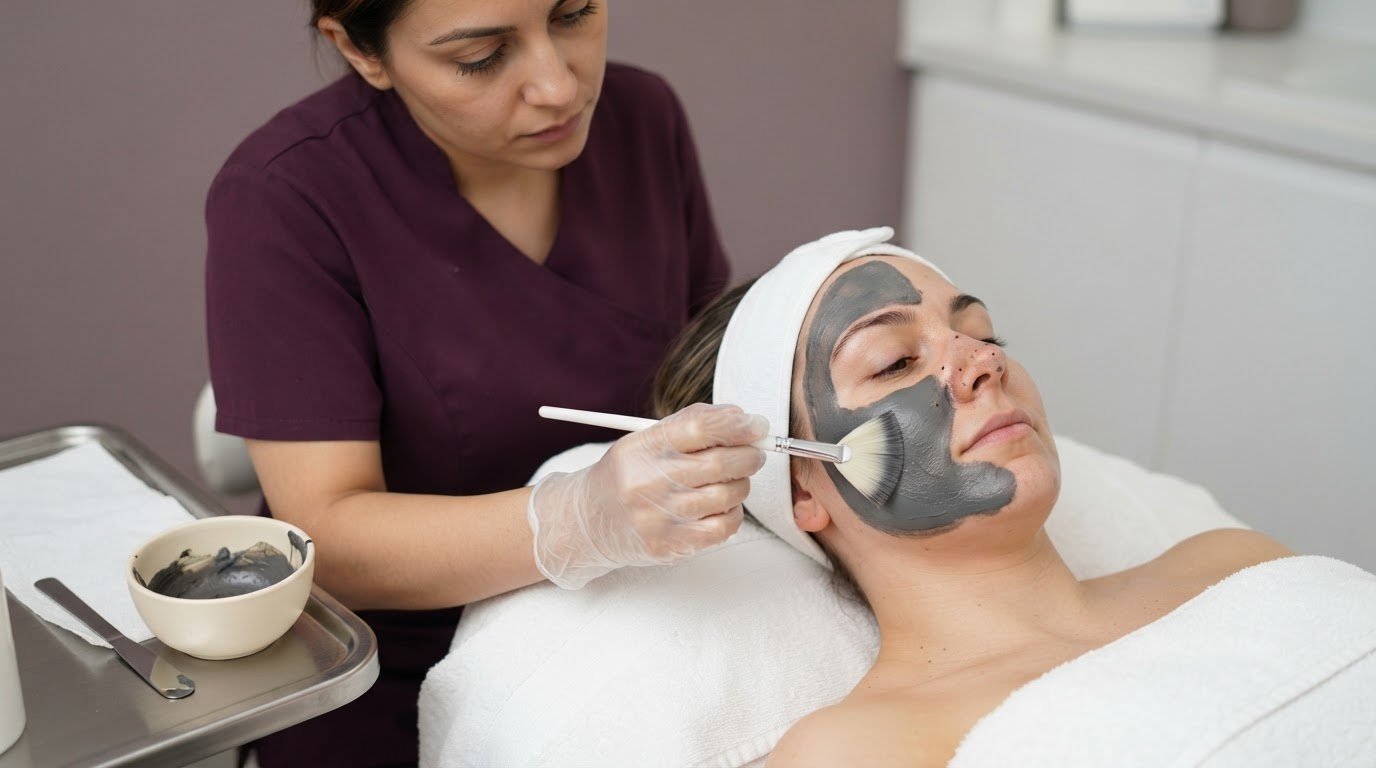
If you’re exploring skin treatments alongside hair removal, the clinic also offers IPL skin treatments and a charcoal facial. These address different skin goals, so discuss your main concern and what each treatment is intended to do before deciding. For acne scarring, use the guidance above to consider peel depth, ingredients, sensitivity and recovery when reviewing your options.
Contact Nefretiti Laser Clinic & Aesthetics or visit nefretitiaesthetics.co.uk to discuss the treatment that best fits your needs.
Take a considered next step for your skin
Choosing the best chemical peel for acne scars in Essex is a personal decision, not a contest to pick the strongest acid. Before booking, note what you most want to address, the skincare products you use and how much visible recovery time suits your routine. These details can make a consultation more focused and help you discuss options clearly.
It’s reasonable to ask what the proposed treatment is designed to improve, how progress will be reviewed and what alternatives may suit your scar pattern. If the plan feels clear and manageable, you can decide whether to proceed with greater confidence. Results vary, and a practitioner’s assessment can help determine whether a peel is appropriate for your skin.
Arrange a consultation with Nefretiti Laser Clinic & Aesthetics
A thoughtful plan is a positive first step towards feeling more comfortable in your skin.
Frequently Asked Questions
What is a Chemical Peel?
A chemical peel is a skin-resurfacing procedure that uses an acid solution to loosen and remove surface cells. Its formula and depth shape the treatment, which may be selected for concerns such as uneven texture, post-acne marks or pigmentation. It isn’t the same as a daily exfoliating product. Before treatment, discuss the expected skin response, recovery and aftercare for the specific peel being considered.
Which chemical peel ingredients are most effective for atrophic acne scars and post-acne marks?
No single acid suits every scar or mark. Glycolic, lactic and salicylic acids are used in peel formulations, but the concern matters: flat post-acne marks differ from indented atrophic scars. A peel may improve surface texture or tone, while deeper pits can be difficult to address with a peel alone. Ask which visible feature the proposed ingredients are intended to target and how progress will be assessed.
Who is suitable for a chemical peel, and which skin types or conditions need extra caution?
Suitability depends on skin sensitivity, tone, current condition and the products in your routine. Tell the practitioner about previous reactions, active skincare and any irritation before treatment. Darker skin tones need careful preparation and planning because pigmentation changes are an important consideration. A consultation should identify your main concern, assess your skin and explain whether the chosen peel’s depth and recovery suit your needs.
How much does a chemical peel for acne scars cost in Essex?
The cost depends on the peel formulation, depth, treatment area and whether a course is planned; a quote is provided after the request. Compare what the fee covers, including the treatment, preparation, aftercare and any follow-up. Ask whether the recommendation is for one appointment or multiple sessions, so you can understand the overall plan rather than judge by a single-session figure.
Which reputable clinics in Essex offer chemical peels for acne scars?
Nefretiti Laser Clinic & Aesthetics offers chemical peels in Elm Park, Hornchurch, Essex. When considering a peel for scarring, look for a clear explanation of the proposed ingredients, treatment depth, recovery and possible side effects. A useful consultation should distinguish indented scars from flat marks, then explain how the recommended approach relates to your skin and treatment goals.
How many peel sessions are usually needed, and how far apart should they be?
The number and spacing depend on the peel and the skin concern. Glowday lists 4-6 superficial peel sessions and notes that regular treatments may be advised every 4-6 weeks. These figures are a planning reference, not a fixed course for every person. Ask how the schedule allows skin recovery and when the practitioner will review progress before recommending further sessions.
Ready to book? See prices and book chemical peels at our Elm Park, Hornchurch clinic – 2 minutes from Elm Park station.
Comments